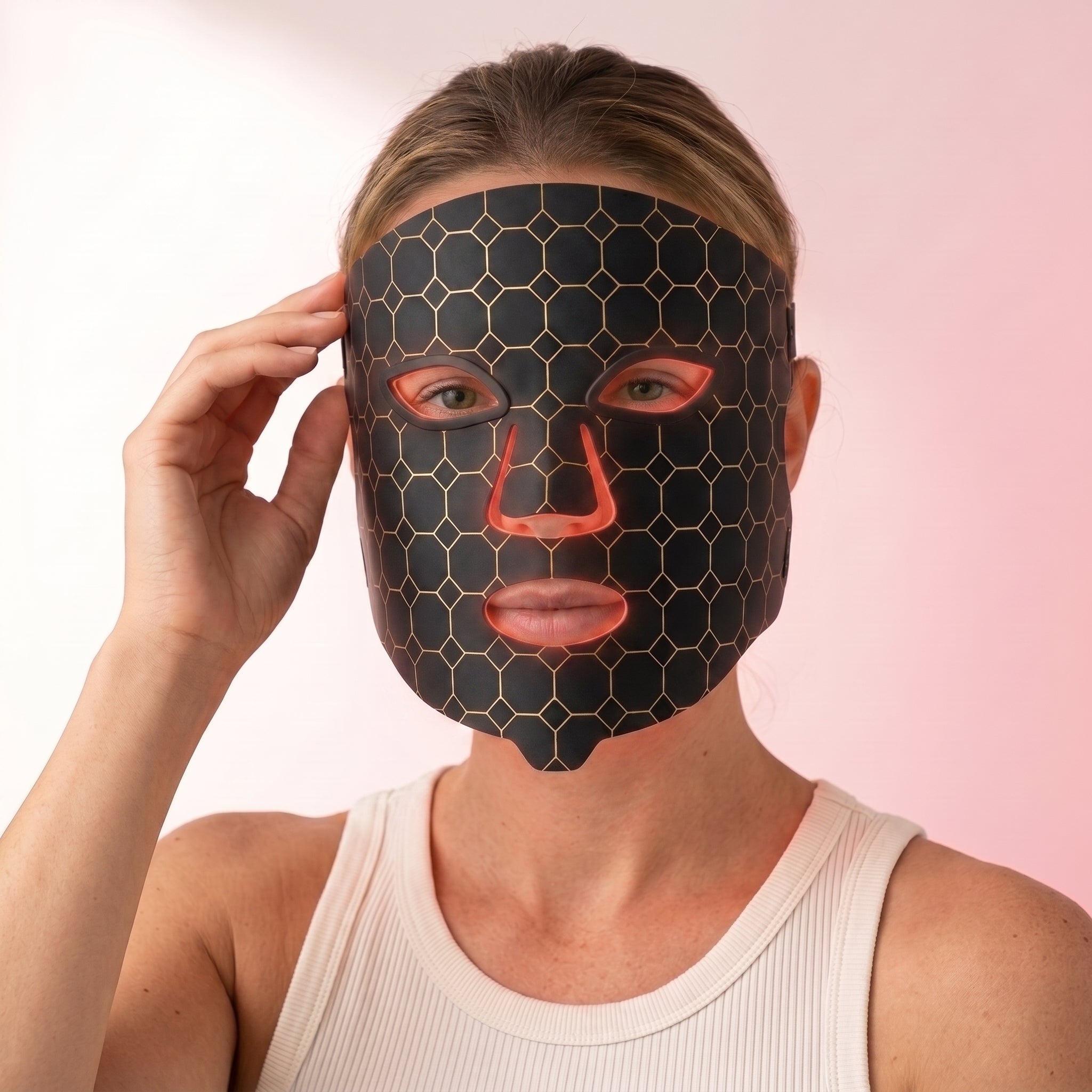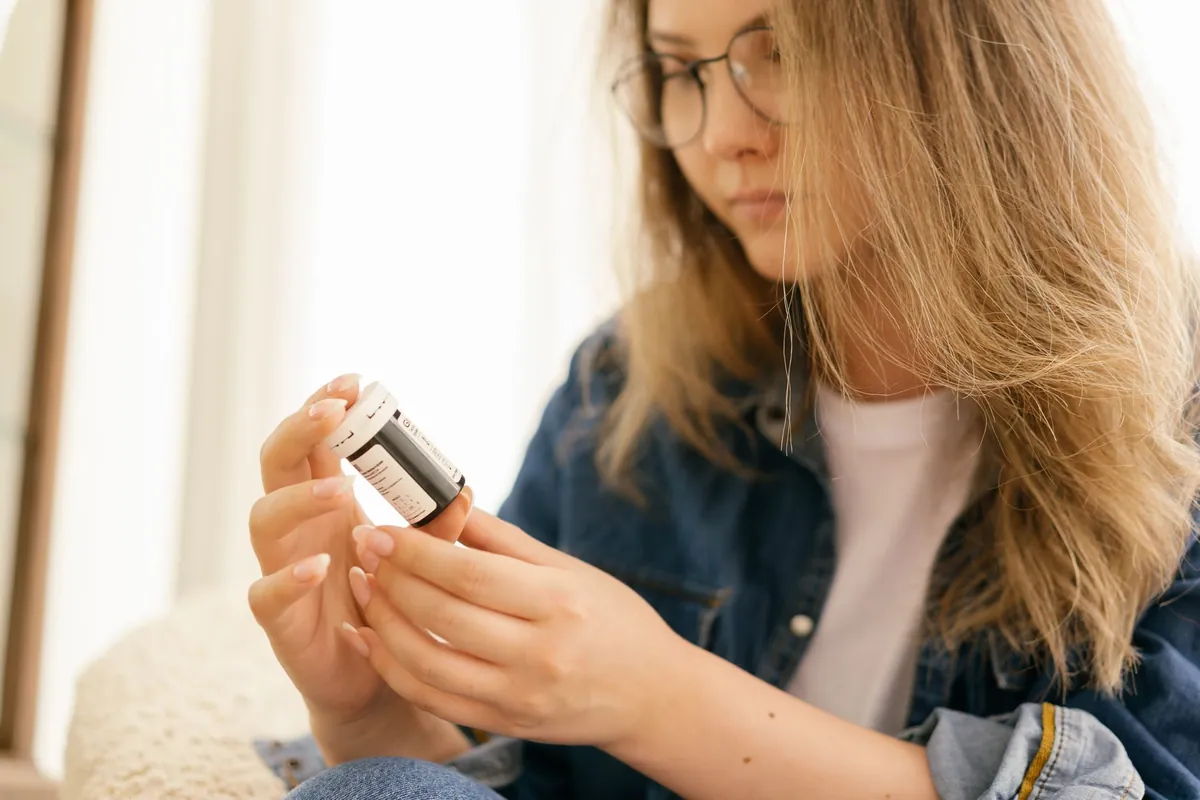
Free US shipping · Ships from a US warehouse · 90-day warranty

Author: sampath1976

  • Is an LED Face Mask a Good Gift? An Honest Holiday Guide

    Is an LED Face Mask a Good Gift? An Honest Holiday Guide

    Short answer: an LED face mask can be a great gift for someone who already enjoys a skincare routine and will happily give it ten quiet minutes a few evenings a week. It is a poor gift for someone who wants overnight results, or who has a light-sensitive skin condition. This guide covers who it suits, what to check before you buy, how to give it so the recipient can still return it, and the date to order by for Christmas.

    Why LED face masks became a popular gift

    LED light therapy used to mean a booked appointment. In-office sessions typically cost $25 to $250 each, according to Consumer Reports, and a course means many visits. An at-home mask moves that routine onto the sofa. The person wears it while reading or watching TV, and it switches itself off.

    That is what makes it feel like a gift rather than a gadget: it is a small, regular ritual that someone does for themselves. It is also the kind of thing many people are curious about but hesitate to buy for themselves.

    Who an LED face mask is a good gift for

    Woman wrapped in a blanket reading a book by holiday lights
    • The skincare devotee. Someone who already cleanses, uses a serum and enjoys trying new things will fit ten minutes of light into their evening without effort.
    • The self-care person. If her idea of a good night is a blanket, a book and a candle, a mask she can wear while doing exactly that is a natural fit.
    • The busy professional or new parent. Salon appointments are hard to schedule. A mask that works around their evening, not the other way round, is a thoughtful present.
    • The person who has asked about it. If she has mentioned red light therapy, saved a video about it or asked a friend what they think, you already know it will be welcome.

    Who should not get one (or should check first)

    LED devices are generally considered safe for home use. The American Academy of Dermatology notes that the most common side effects are mild, such as temporary irritation. Even so, a mask is not right for everyone. Choose a different gift, or suggest a quick word with a doctor first, if the person:

    • is pregnant, or is under 18
    • has a light-sensitive condition such as lupus, or a diagnosed skin condition
    • takes medication that increases sensitivity to light
    • has recently had a laser or IPL treatment
    • has an eye condition, or is sensitive to bright light

    Two more points from dermatologists are worth knowing. People with darker skin tones may be more sensitive to visible light, and the AAD suggests talking with a dermatologist before starting. And Harvard Health advises wearing eye protection whenever a device’s directions recommend it.

    What to expect: an honest picture

    The best gift is one that matches expectations, so it helps to know what an at-home mask is and is not.

    • It is gentle and gradual. Home masks are deliberately lower powered than clinic equipment. Consumer Reports and the AAD both say in-office treatment is more powerful.
    • It rewards consistency. Most masks suggest short sessions several times a week. A dermatologist quoted by Harvard Health calls it “slow and steady”, with use over months rather than days.
    • The research is promising but modest. The AAD describes results in studies as subtle to noticeable and says more research is needed. Nobody can promise a particular result.

    If the person you are buying for loves the routine itself, all of this is fine. If she wants a dramatic change by New Year, a mask will disappoint.

    What to look for in an LED face mask gift

    Masks range from under $100 to more than $500. The price tag matters less than a few practical details:

    • Wavelengths. Look for red light around 630 to 660nm, ideally with near-infrared around 830 to 850nm. These are the ranges most home masks use. Blue light is a common extra mode.
    • Comfort. A soft, flexible silicone mask shapes to the face and can be worn lying back. Rigid masks keep their own shape rather than following the contours of the face.
    • A built-in timer. An automatic shut-off removes the guesswork about session length.
    • Eye protection. Check whether the mask has eye cut-outs or covers, and read what the instructions say about eye safety.
    • Cordless use. A rechargeable controller means nothing plugs into the wall during a session, so she is not tied to one spot.
    • Warranty and returns. Electronics can fail. A clear warranty and a written returns policy are worth more than a long list of features.
    • FDA status. Some masks are FDA-cleared for specific uses such as acne or wrinkles. Others are sold as general-wellness devices, which do not go through that clearance. If this matters to the person you are buying for, check the FDA’s 510(k) database for the exact model.

    How to give it (so it can still be returned)

    Hands tying ribbon on wrapped holiday gifts

    Because a face mask is worn against the skin, most sellers will not take one back once it has been used. That is standard for personal-care devices, and it is our policy too. So:

    • Give it sealed. Do not open the box to check it. If the recipient already has one, or decides it is not for her, a sealed and unused mask can usually be returned within the seller’s window. Ours is 30 days from delivery.
    • Keep the order email. The order number is what you need for a return, a warranty claim or a question about delivery.
    • Add a note about the routine. Something like “ten minutes, a few evenings a week, on clean dry skin” sets the right expectation and makes the gift feel personal.

    When to order for Christmas

    Christmas Day 2026 falls on a Friday. Our orders leave a US warehouse within one business day and arrive in three to eight business days after that. To be safe for delivery by Christmas Eve, order by Friday, December 11. Carriers get busier every December, so earlier is better.

    Where Lumina Pro fits
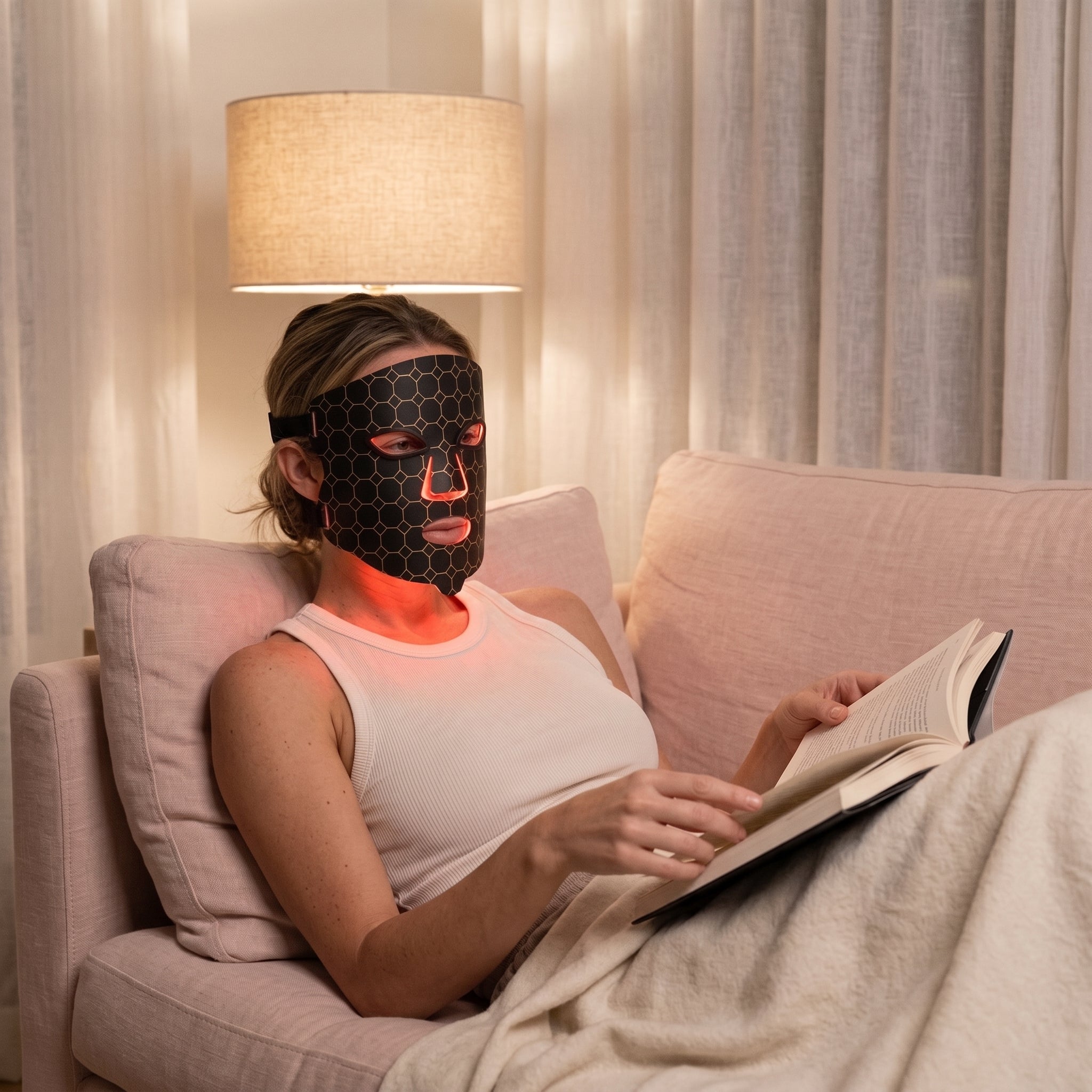
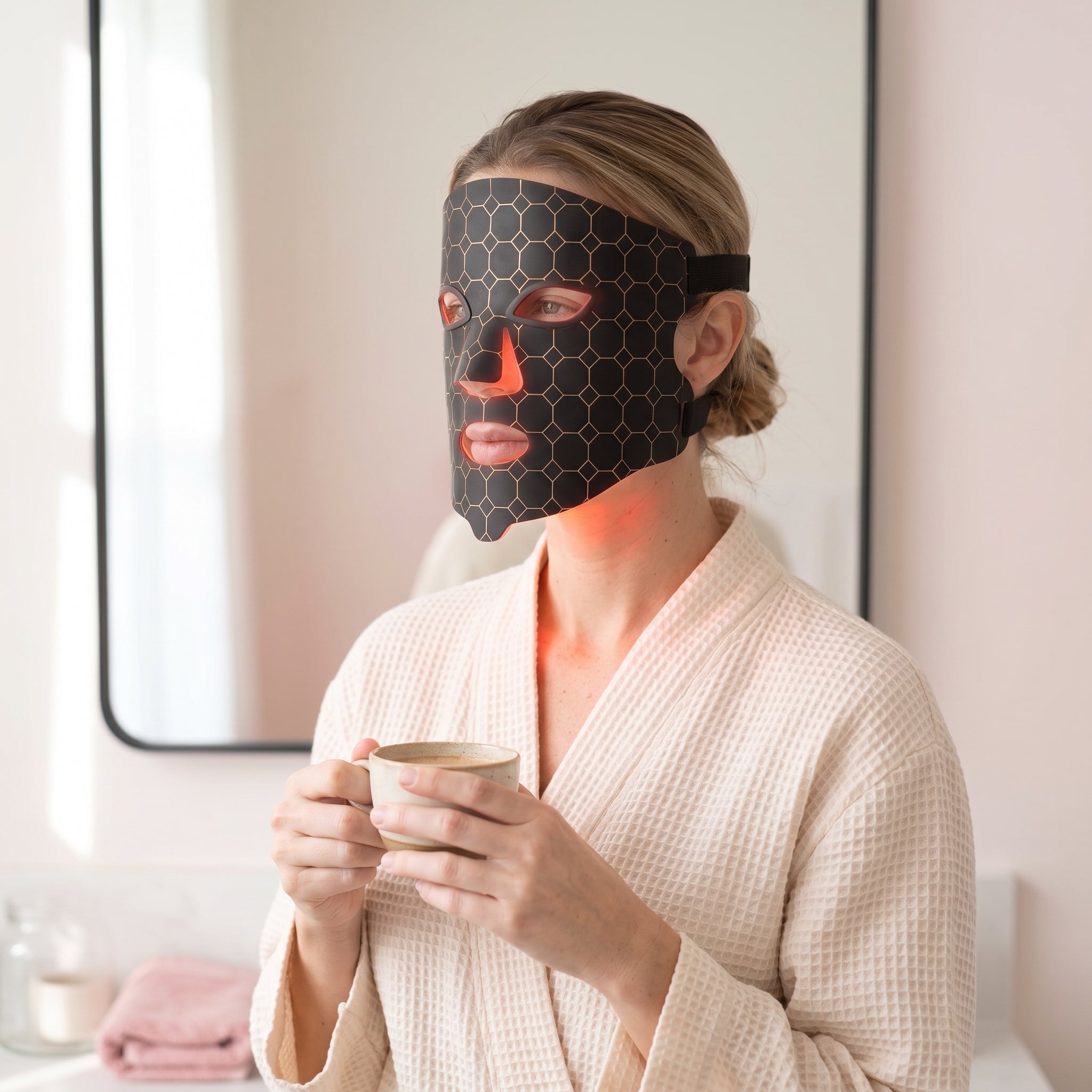
    Evening session with the Lumina Pro LED mask

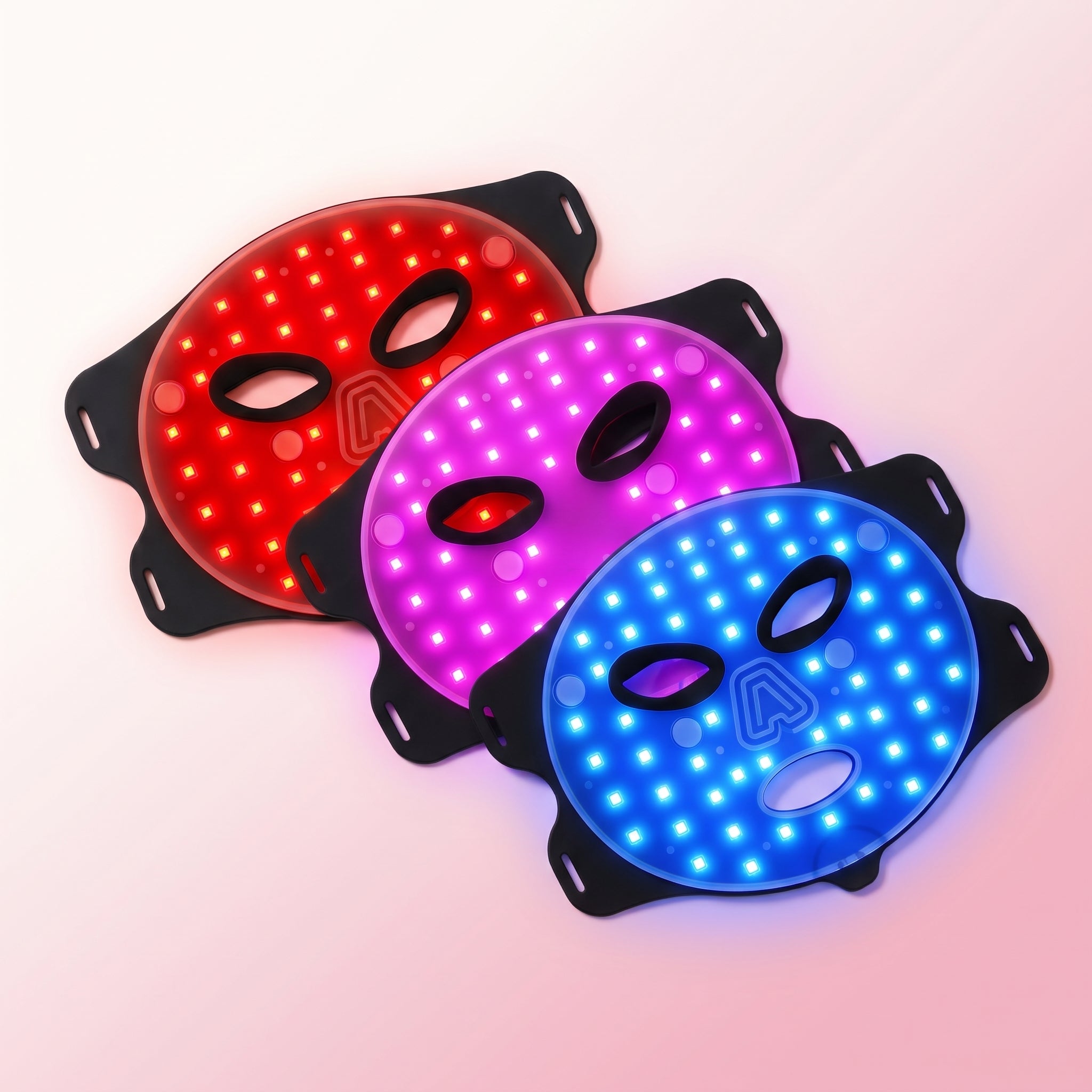
    We make one product, so here is how it measures against the list above. The Rosune Lumina Pro is a soft silicone mask of about 168 g with 165 LEDs. It offers 660nm red and 850nm near-infrared light, plus blue and purple modes. A 10-minute timer switches it off, and clip-in eye covers shade the eyes. It runs from a rechargeable USB-C controller, so it is cordless in use.

    It costs $149, with free US shipping from a US warehouse and a 90-day warranty against failure in normal use. It is a general-wellness device, not a medical one, and it is not FDA-cleared. Our returns and warranty policy explains exactly what is covered.

    Frequently asked questions

    Is an LED face mask a good gift for mom?

    It can be, if she enjoys skincare and has a quiet moment in her evening. Check the list above first: if she takes light-sensitising medication or has a skin condition, ask her doctor before you buy.

    Can you return an LED face mask after using it?

    Usually not, for hygiene reasons. Most sellers accept sealed, unused masks within a set window, and replace faulty ones under warranty. Always read the returns policy before buying.

    How long until she notices anything?

    There is no fixed answer. Light therapy is gradual, and dermatology sources talk about weeks to months of regular use. It is best presented as a relaxing routine, not a quick fix.

    Is it safe to use every day?

    Follow the instructions for the specific mask. Ours is designed for one 10-minute session a day at most, and three to five sessions a week is plenty. See the product FAQ for more.


  • Red Light Therapy Mask for Beginners: Your First 4 Weeks

    Red Light Therapy Mask for Beginners: Your First 4 Weeks

    Short answer: start gently and focus on the habit, not results. In week one, learn the routine with three short sessions. In week two, fix your days. In weeks three and four, settle into three to five sessions a week, never more than one a day. Keep your eyes covered, use the mask on clean, dry skin, and remember that light therapy is a months-long routine. Here is a simple plan for your first month.

    Before you start: three quick checks

    1. Is light therapy right for you? Skip it, or ask a doctor first, if you are pregnant, under 18, have a light-sensitive or diagnosed skin condition, have an eye condition, or take medication that increases light sensitivity. Our safety checklist covers this in full.
    2. Do you know your mask? Read the guide once. Note the session length, how the eye protection fits and how to switch modes.
    3. Is it charged? Charge fully before your first session.

    Week 1: learn the routine

    Goal: three sessions, getting comfortable with the mask.

    • Use red light, the most common and most studied color, and the easiest to start with. Our guide to LED mask colors explains the others.
    • Follow the same steps each time: cleanse, pat dry, eye protection in, mask on, timer, then skincare.
    • Pay attention to fit. Adjust the straps until the mask sits evenly without pressing.
    • Notice how your skin feels afterwards. Slight pinkness that fades quickly is normal. The American Academy of Dermatology says the most common side effects are mild, such as temporary irritation.

    Not sure what to expect? Our guide to what an LED mask feels like walks through a first session.

    Week 2: fix your days and time

    Goal: three or four sessions on set days.

    • Pick days and stick to them, for example Monday, Wednesday, Friday and Sunday.
    • Pick a time you can keep. Evening suits most people, and morning works if you finish with sunscreen. See the best time to use an LED mask.
    • Attach the session to something you already do: after brushing your teeth, with your evening show, or with your morning coffee.

    Week 3: settle into your rhythm

    Person writing notes in a notebook in a cozy setting

    Goal: three to five sessions, never more than one a day.

    • If you missed a day, just carry on. Do not double up to make up for it.
    • Try other modes if your mask has them. Keep blue for earlier in the day, since Harvard Health notes that blue light at night suppresses melatonin more powerfully than other colors.
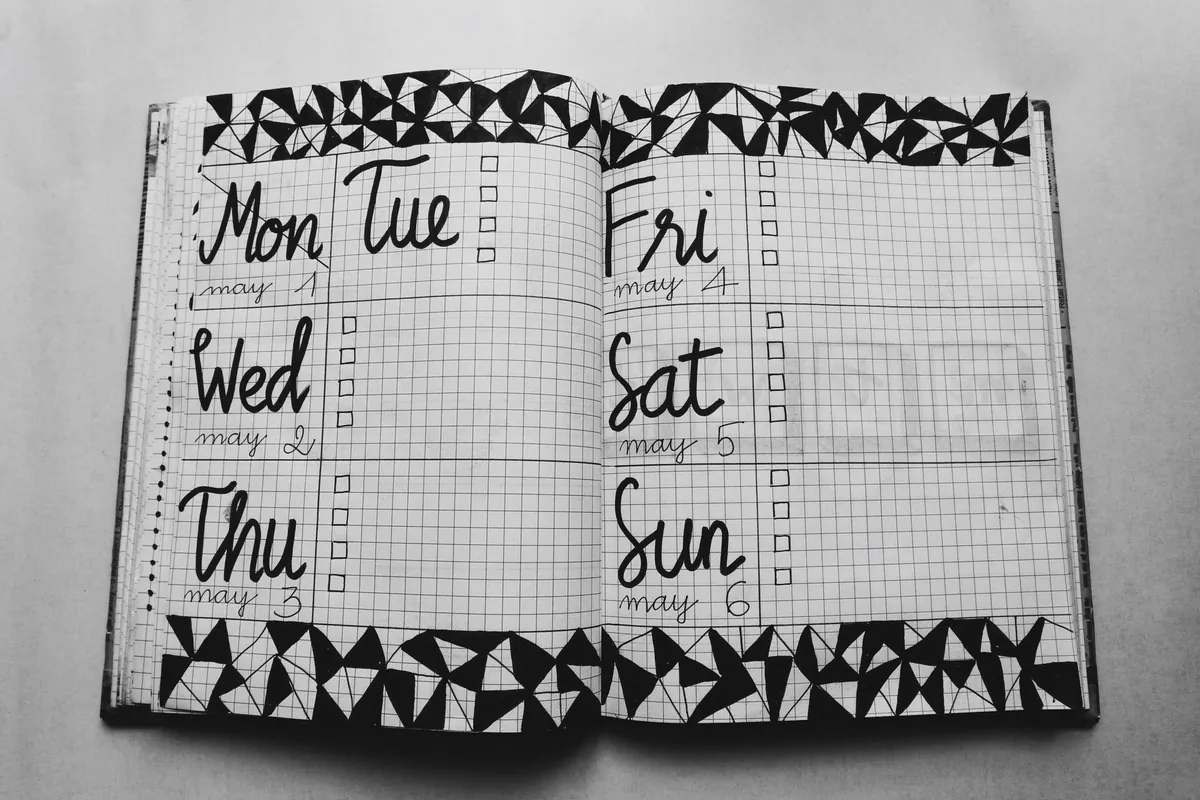
    • Keep a simple note of which days you used it. A tick on a calendar works. It makes the habit visible.

    Week 4: review and keep going

    Goal: check the routine is working for your life, not the other way round.

    • Is the time right? If you keep skipping sessions, move them.
    • Is the mask comfortable? Adjust straps, try a different spot, or add a podcast.
    • Any irritation? Take a break and speak to a dermatologist if it does not settle.
    • Keep going. One month is the start, not the finish line.

    Realistic expectations

    The most useful thing a beginner can know is that light therapy is slow. Harvard Health says devices must be used multiple times a week for four to six months, and a dermatologist it quotes calls it “slow and steady.” The AAD describes the research as promising, with more needed, and Consumer Reports notes that at-home masks are lower powered than clinic equipment. So:

    • Do not expect a change after a week or a month.
    • Judge your first month by one thing: did you build the routine?
    • Be wary of anyone promising specific results by a specific date.

    Beginner mistakes to avoid

    • Doing too much. Longer or more frequent sessions do not work faster. Researchers describe a biphasic dose response, where too much can be less effective (see our how-often guide).
    • Wearing it over skincare or makeup. Clean, dry skin first; products after. See LED mask before or after skincare.
    • Skipping the eye protection. Every session, every mode.
    • Giving up in week two. The habit is the hard part. After a month it gets easier.

    Starting with Lumina Pro

    Morning session with the Lumina Pro LED mask

    The Rosune Lumina Pro is designed for exactly this kind of routine. A 10-minute timer ends each session, clip-in eye covers shade your eyes, and red is one press of the M button away. The soft silicone body (about 168 g) is light enough to wear on the sofa, and it is cordless in use. Use it once a day at most, three to five times a week. The guide in the box walks you through your first session.

    Lumina Pro is a general-wellness device and is not FDA-cleared. It costs $149 with free US shipping and a 90-day warranty. If you have questions before you start, our contact page reaches a real person.

    Frequently asked questions

    How should a beginner use a red light therapy mask?

    Start with red light, three sessions in the first week, on clean, dry skin with eye protection. Build to three to five sessions a week, never more than one a day.

    How long should my first session be?

    Use your mask’s standard timer. Do not extend it. Session lengths are set for each device’s light output.

    Which light mode should I start with?

    Red. It is the most common and most studied, and it is fine to use in the evening.

    When will I see results?

    There is no guaranteed timeline. Harvard Health describes regular use over four to six months. Treat the first month as building the habit.

  • How Often Should You Use a Red Light Therapy Mask?

    How Often Should You Use a Red Light Therapy Mask?

    Short answer: most at-home red light therapy masks are designed for short sessions, often around 10 minutes, a few times a week. A common pattern is three to five sessions a week, never more than once a day. Always follow the instructions for your specific mask, because light output and session lengths vary between devices. Using it longer or more often will not speed things up, and light therapy is a habit you keep over months, not days.

    Why there is no single answer

    How often you should use a mask depends on how much light it delivers, and that varies. A study published in 2026 measured four commercial LED masks and found pronounced variability in irradiance. Masks with similar recommended session lengths delivered “markedly different physical doses.” That is why the instructions for your own mask matter more than any general rule, including the one in this article.

    Session guidance also varies widely by brand. Consumer Reports notes that some masks call for 30 to 60 minutes twice a day, while many modern masks use sessions of around 10 minutes.

    A typical routine

    • Session length: whatever your mask’s timer is set to. For many masks that is about 10 minutes.
    • How often: three to five times a week is a common recommendation for at-home masks.
    • Maximum: once a day. Avoid back-to-back sessions.
    • When: whenever you will do it consistently. Our guide to the best time to use an LED mask covers morning versus night.

    For comparison, in-office LED treatments are usually spaced about a week apart, up to about 10 sessions, with maintenance every few months, according to Healthline. Clinic equipment is more powerful, so home masks make up for it with shorter, more frequent sessions.

    Why more is not better

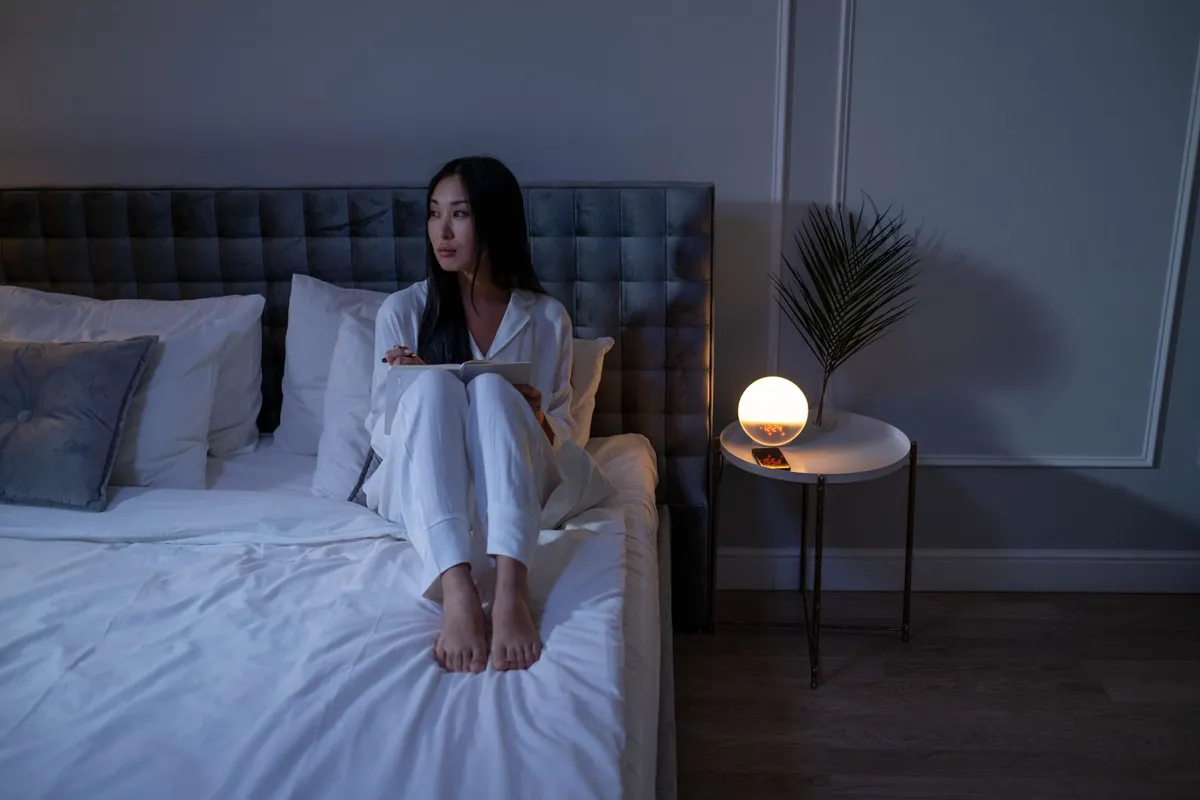
    Woman in pajamas sitting on her bed in a softly lit bedroom

    It is tempting to think that doubling the time doubles the benefit. Light therapy does not work that way. Researchers describe a biphasic dose response: a 2020 review in the Journal of Clinical Medicine explains it with the Arndt–Schultz curve. A weak stimulus increases activity, but too strong a stimulus can inhibit it. An earlier review of light therapy in skin also stresses that there is an optimal dose.

    Overdoing it will not get you there faster, and it can leave skin feeling dry or irritated. Let the timer end the session and leave a day’s gap before the next one.

    How long to keep going

    Light therapy is gradual. Harvard Health says devices must be used multiple times a week for four to six months, and a dermatologist it quotes calls it “slow and steady”. The American Academy of Dermatology describes the evidence as promising, with more research needed.

    In practice, that means building a routine you can keep for months. Some people drop to fewer sessions a week once the habit is established. Nobody can promise a particular result or timeline, and anyone who does is overselling.

    An example week

    Here is one simple way to fit four sessions into a week, with rest days in between. Adjust it to your own schedule and your mask’s instructions.

    DaySession
    Monday10 minutes, evening
    TuesdayRest
    Wednesday10 minutes, evening
    ThursdayRest
    Friday10 minutes, evening
    SaturdayRest
    Sunday10 minutes, morning or evening

    Busy week? Three sessions is still within the usual range. A week where you manage five is fine too, as long as it is never more than one a day.

    How to make it a habit

    • Pick fixed days. For example Monday, Wednesday, Friday and Sunday. It is easier to keep a plan than a vague intention.
    • Attach it to something you already do. After brushing your teeth, with your evening show, or with a morning coffee.
    • Keep the mask charged and visible. A mask in a drawer does not get used.
    • Do not make up for missed days. If you miss a session, just carry on with your plan. Two sessions in one day is not the answer.

    Around each session

    Use the mask on clean, dry skin. The Avci review notes that makeup and oily residue can interfere with light reaching the skin. Apply serums and moisturizer afterwards, not before. Keep the eye protection in place and your eyes closed. Our guide to LED masks and skincare order goes into more detail.

    Who should check first

    Speak to a doctor before starting if you are pregnant or breastfeeding, have a light-sensitive or diagnosed skin condition, have an eye condition, or take medication that increases light sensitivity. Our safety checklist has the full list.

    How often to use Lumina Pro

    Morning session with the Lumina Pro LED mask

    The Rosune Lumina Pro is designed for one 10-minute session a day at most, and three to five sessions a week is plenty. The timer runs each session and switches off by itself. Never use it for more than 20 minutes in a day. It is a general-wellness device, not a medical one, and it is not FDA-cleared. It costs $149 with free US shipping and a 90-day warranty.

    Frequently asked questions

    Can I use a red light mask every day?

    Some masks allow daily use, but more is not better. Follow your mask’s instructions. For Lumina Pro, three to five sessions a week is plenty, and never more than one a day.

    How long should each session be?

    As long as your mask’s timer is set to. Session lengths differ because light output differs, so do not copy the timing from a different device.

    What happens if I use it too much?

    Overuse will not speed things up, and it can leave skin dry or irritated. If your skin feels irritated, take a break and speak to a dermatologist if it does not settle.

    Should I take breaks from my mask?

    There is no need for planned breaks while your skin is happy with it. Some brands suggest dropping to fewer sessions a week after the first few months. Stop and seek advice if your skin reacts, and review the safety checklist if your health or medication changes.

    How long until I notice anything?

    There is no guaranteed timeline. Harvard Health describes use over four to six months. Think of it as a long-term routine rather than a quick fix.

  • Are Cheap LED Face Masks Worth It? $99 vs $149 vs $500

    Are Cheap LED Face Masks Worth It? $99 vs $149 vs $500

    Short answer: a cheaper LED face mask can be worth it, as long as it gets the basics right. That means the right wavelengths, a built-in timer, eye protection, a comfortable fit, published specifications and a real warranty. Paying more mostly buys more LEDs and coverage, brand track record and, for some masks, FDA clearance and published studies on that exact device. What it does not reliably buy is “better light”, because price turns out to be a poor guide to what a mask actually emits.

    What changes as the price goes up

    At-home LED masks now sell for anything from under $100 to more than $500. The best-known premium masks cost roughly $400 to $550 as of September 2026, according to price comparisons by Forbes Vetted and other reviewers. Here is what tends to change between price points, and what you can check for yourself:

    • Number of LEDs and coverage. More expensive masks often have more LEDs spread across more of the face, and sometimes the neck. More LEDs is not automatically better. What matters is whether the light reaches the areas you care about, evenly.
    • Published specifications. Premium brands are more likely to publish wavelengths, light output and session guidance. Many cheaper masks list a wavelength and little else.
    • Regulatory status. Some premium masks are FDA-cleared for specific uses. Many others, at every price, are sold as general-wellness devices without clearance.
    • Studies on the actual device. A few brands have run clinical studies on their own mask. Most masks rely on research into LED light in general.
    • Extras. Apps, extra light colors, cooling panels and neck attachments add cost. They are nice to have, not essential.
    • Warranty, returns and support. This varies more by seller than by price. It is worth reading before you buy anything.

    Why price is a poor guide to light output

    The number that matters most is one you usually cannot see: how much light energy actually reaches your skin in a session. That depends on the mask’s irradiance (light strength, measured in mW/cm²) multiplied by the session time.

    A study published in May 2026 in Photochemical & Photobiological Sciences measured four commercial LED masks and compared them with what their manufacturers said. The researchers found “pronounced variability in irradiance” and noted that manufacturers’ documentation lacked data on the energy the masks emit. Because the masks recommended similar session lengths but emitted very different amounts of light, they delivered “markedly different physical doses”.

    Harvard Health makes the same point more simply: at-home devices have differing light strengths, which makes it hard to know what exposure you are actually getting. The practical lesson is that a higher price does not guarantee more (or better) light, and a lower price does not guarantee less. Published specifications, and a seller willing to answer questions about them, matter more than the price tag.

    The cost per session

    Hands writing calculations in a notebook beside a calculator

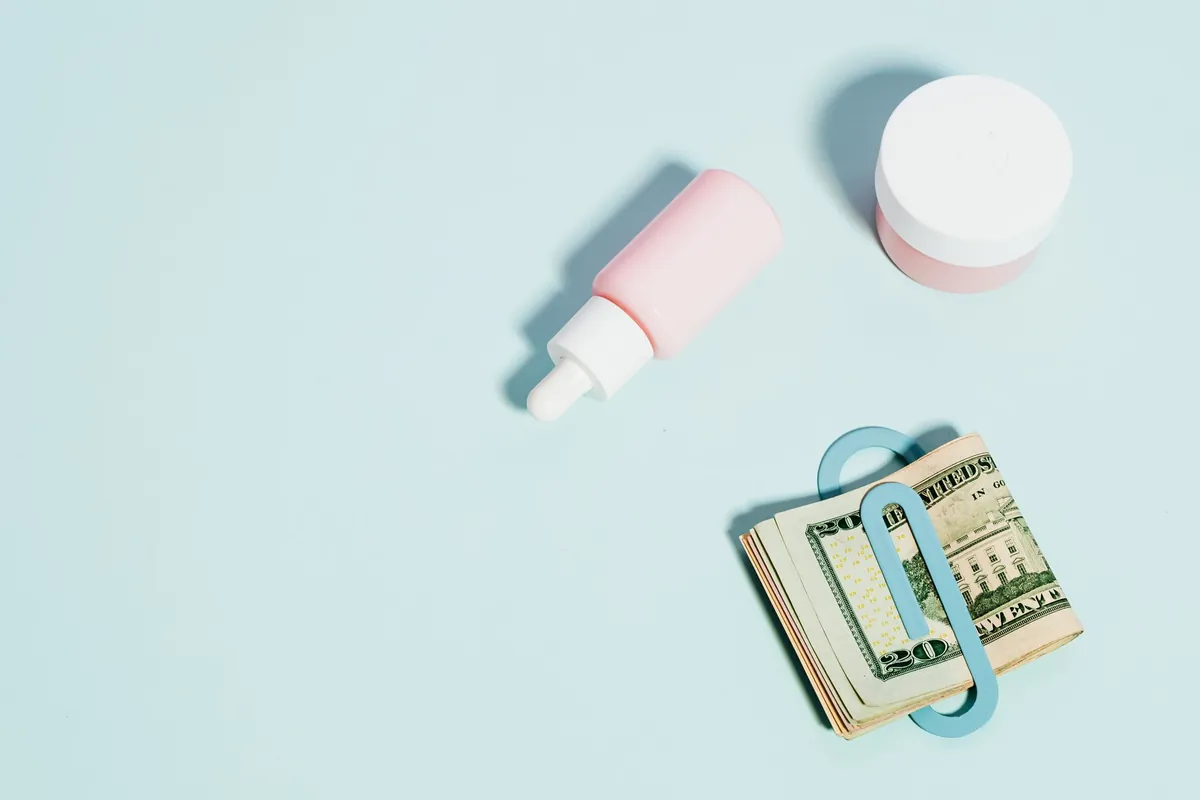
    A mask is a one-off purchase used many times, so the fairest comparison is cost per session. Assume four sessions a week for one year, which is 208 sessions:

    • A $99 mask works out at about $0.48 a session.
    • A $149 mask works out at about $0.72 a session.
    • A $500 mask works out at about $2.40 a session.

    For comparison, a single in-office LED session typically costs $25 to $250, according to Consumer Reports. In-office equipment is more powerful, so it is not a like-for-like comparison. But it shows why at-home masks appeal, and why a mid-priced mask used consistently can be better value than an expensive one that ends up in a drawer.

    7 things to check at any price

    Woman on a couch holding a card while comparing options on her laptop
    1. Wavelengths are stated. Look for red light around 630 to 660nm, and near-infrared around 830 to 850nm if you want it. Vague terms like “photon light” without numbers are a warning sign.
    2. Light output is published, or the seller will tell you. Ask for the irradiance in mW/cm² and the distance it was measured at. A seller who cannot answer is telling you something.
    3. There is a built-in timer. An automatic shut-off keeps sessions to the intended length.
    4. The eyes are protected. Check for eye cut-outs or covers, and follow what the instructions say about eye protection.
    5. It will actually be comfortable. If a mask is awkward to wear, it will not get used. Weight, material and straps matter more than they look in photos.
    6. There is a real warranty and a written returns policy. Know what happens if it stops working, and whether an opened mask can be returned (usually not, for hygiene reasons).
    7. The regulatory status is clear. If FDA clearance matters to you, check the exact model in the FDA’s 510(k) database rather than relying on a badge.

    When paying more makes sense

    • You specifically want an FDA-cleared device for a particular use.
    • You want a mask backed by a clinical study on that exact device.
    • You want extra coverage, such as a neck and chest attachment, or features like an app.

    When a mid-priced mask makes sense

    • You want to build the habit of a few short sessions a week without spending $500 to find out whether you will stick with it.
    • You care most about comfort and ease: something light enough to wear on the sofa, with a timer that handles the rest.
    • You want the core wavelengths (red and near-infrared) without paying for extras you will not use.

    Whatever you choose, keep expectations realistic. The American Academy of Dermatology describes the research on red light as promising, with results that are gradual and more research still needed.

    Where Lumina Pro sits

    Lumina Pro LED mask glowing red

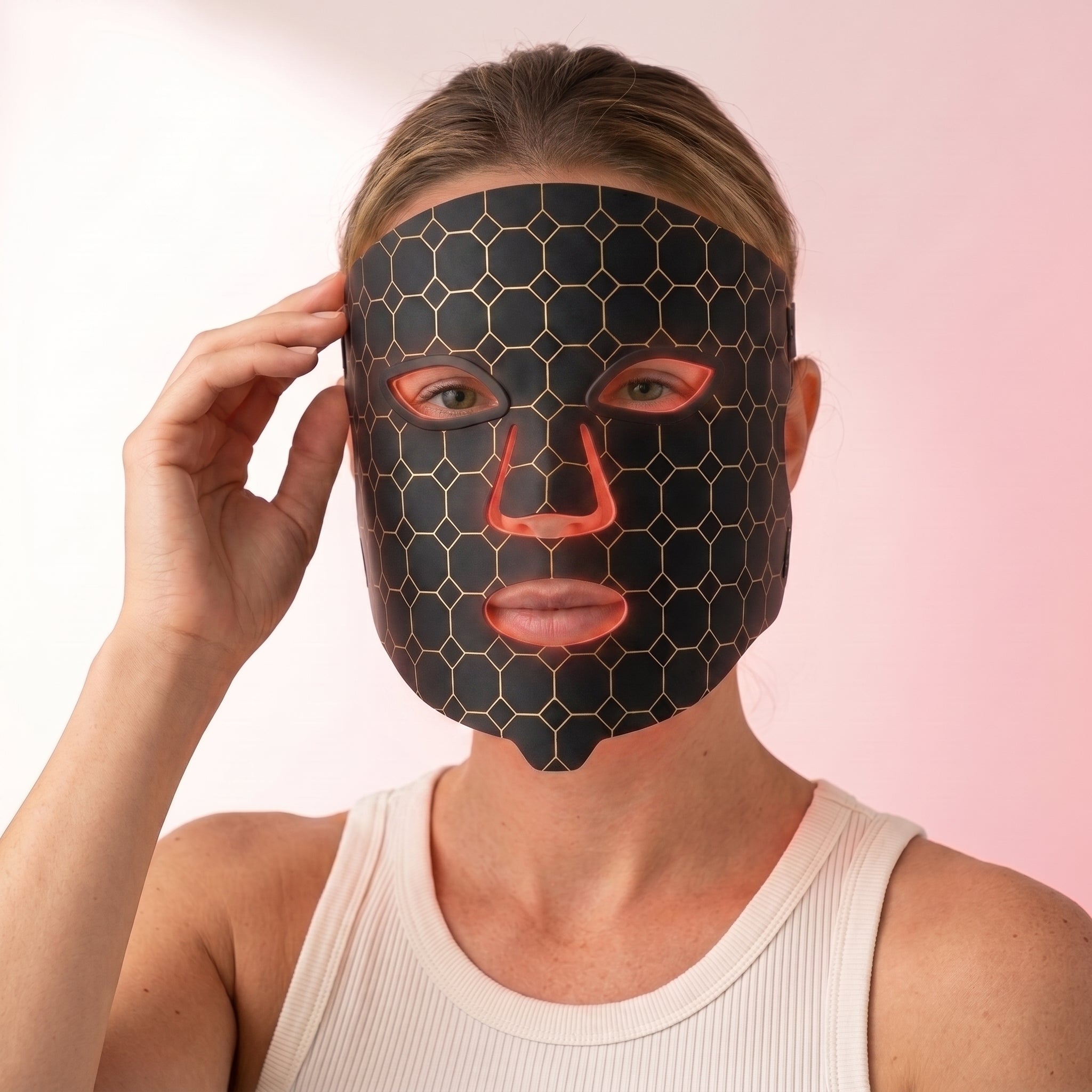
    The Rosune Lumina Pro costs $149, which is about $0.72 a session on the example above. Against the checklist: it states its wavelengths (660nm red and 850nm near-infrared, plus blue and purple modes). It has a 10-minute timer, clip-in eye covers and a soft silicone body of about 168 g. It is cordless in use, with a rechargeable controller, and comes with free US shipping and a 90-day warranty.

    In the spirit of this article, two honest notes. It is a general-wellness device and is not FDA-cleared. And we have asked our manufacturer for a measured irradiance report, which we will publish on this page when we have it. Our returns and warranty policy sets out exactly what is covered.

    Frequently asked questions

    Are cheap LED face masks safe?

    LED devices are generally considered safe for home use when used as directed, according to the AAD. The bigger risk with very cheap, unbranded masks is not knowing what they emit or who to contact if something goes wrong. Stick to sellers who publish specifications and have a clear warranty.

    Do more LEDs mean better results?

    Not on their own. LED count says nothing about how strong each LED is or how evenly the light covers your face. Coverage, wavelength and light output matter more than the headline number.

    Is a $500 mask five times better than a $100 mask?

    There is no evidence that effectiveness scales with price. More expensive masks may offer more coverage, clearance or published testing. But as the 2026 study showed, light output varies widely between masks, and price is not a reliable guide to it.

    What is the cheapest sensible way to try LED therapy?

    Choose a mid-priced mask that states its wavelengths, has a timer, eye protection and a warranty, and use it consistently for a few months. See our product FAQ for how often to use one.

  • LED Face Mask vs In-Office LED Facial: Which Is Worth It?

    LED Face Mask vs In-Office LED Facial: Which Is Worth It?

    Short answer: an in-office LED facial uses more powerful equipment, run by a trained professional, but you pay each visit and need several visits in a course. An at-home LED face mask is lower powered and relies on you to use it regularly, and you pay once, roughly what a handful of salon sessions would cost. If you want the strongest treatment and professional oversight, book the clinic. If you want a gentle routine that fits around your evenings, a mask makes more sense. Some people do both.

    How an in-office LED facial works

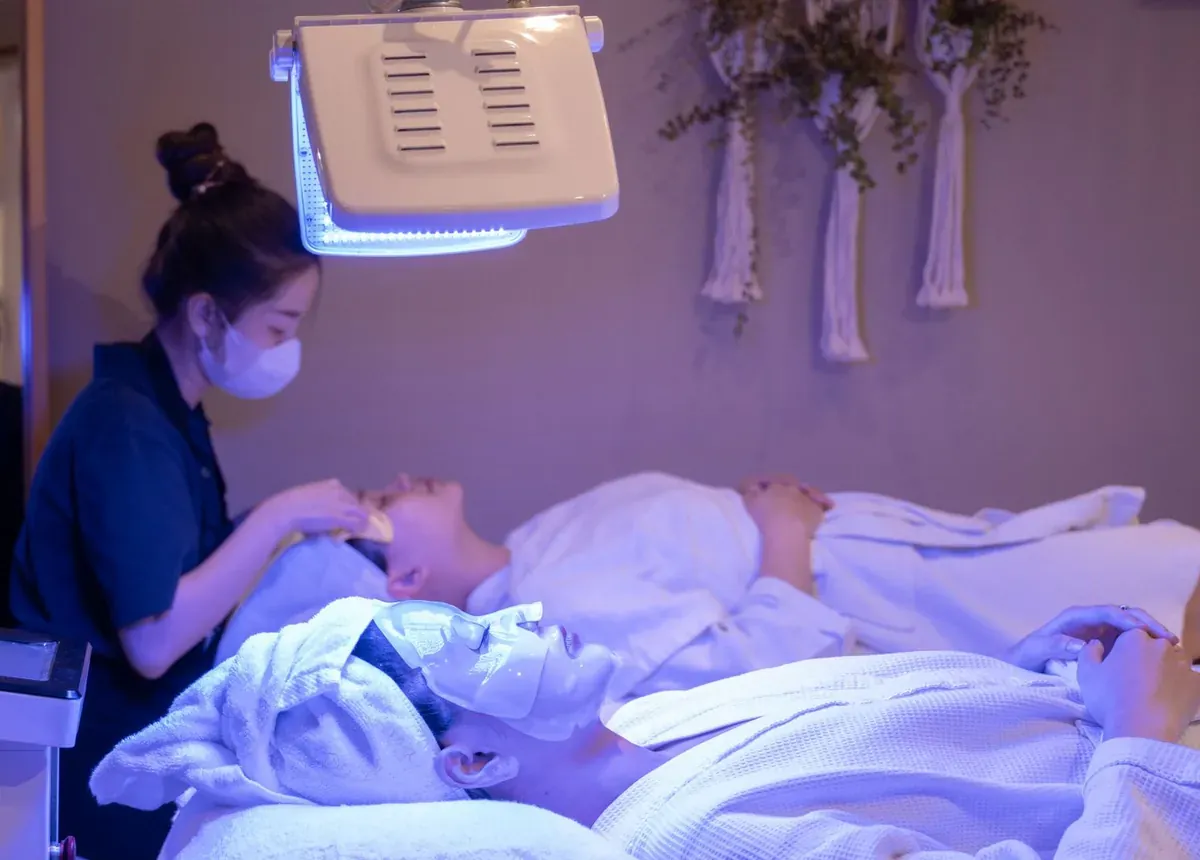
    In a clinic or spa, you lie under a large LED panel, usually for about 20 minutes, according to Healthline. It is often part of a longer facial with cleansing beforehand and skincare afterwards. The professional chooses the light color and settings for your skin.

    LED facials are usually booked as a course rather than a one-off. Healthline describes up to about 10 treatments, spaced about a week apart, followed by maintenance sessions every few months.

    The equipment is the key difference. A dermatologist quoted by Consumer Reports explains that professional devices are more highly powered and are not meant for home use. They need to be run by a licensed professional.

    How an at-home LED mask works

    An at-home mask is deliberately lower powered, which is what makes it suitable for regular use without supervision. Instead of a few strong sessions, you use it little and often: typically several short sessions a week, following the instructions for your specific mask. Some masks ask for 10 minutes; Consumer Reports notes that others call for much longer sessions.

    You do it on your own schedule: on the sofa, in bed, or at your desk. There is no travel and no appointment, but also nobody checking that you are using it correctly. That part is up to you.

    Cost compared

    Woman marking appointments on a desk calendar

    Prices vary a lot by city and provider. Consumer Reports puts in-office LED sessions at $25 to $250 each, and Healthline quotes $25 to $85 in some areas. Taking a course of 10 sessions as an example:

    In-office LED facialAt-home LED mask
    First course or purchaseAbout $250 to $2,500 (10 sessions at $25 to $250)One-off, from under $100 to more than $500
    After thatMaintenance visits every few months, paid each timeNo further cost beyond charging
    Time per sessionAbout 20 minutes of light, plus travel and the rest of the facialOften around 10 minutes, at home
    Who runs itA trained professionalYou, following the instructions

    On cost alone, a mask wins quickly if you would otherwise book regular appointments. But cost is only fair to compare if you would actually use the mask. A mask that sits in a drawer is more expensive than one good facial.

    Power and results: an honest comparison

    In-office LED is more powerful. Both Consumer Reports and the American Academy of Dermatology say so, and dermatologists often use it as one part of a wider treatment plan. At-home masks trade strength for convenience and frequency.

    Neither option comes with guarantees. The AAD describes the research on red light as promising but says more is needed. Consumer Reports adds that, according to the AAD, there is no way to know in advance who will see results from an at-home device. Anyone promising a specific outcome, in a clinic or in a box, is overselling.

    One more difference: in a clinic, a professional controls the dose. At home, the dose depends on the mask. A 2026 study that measured four commercial masks found pronounced variability in light output between them. That is a good reason to choose a mask that publishes its specifications.

    Convenience and consistency

    Woman reading on a sofa, wrapped in a blanket

    This is where at-home masks earn their place. Light therapy is gradual, and Harvard Health describes regular use over months. A routine you can keep up matters more than any single session.

    • In-office suits people who like a set appointment, enjoy the full facial experience, and do not mind the travel and cost.
    • At home suits people with busy or unpredictable schedules, who would rather spend ten minutes on the sofa than an hour including travel.

    Safety and supervision

    LED light does not contain ultraviolet light and is generally considered safe for home use when used as directed, according to the AAD and Healthline. The main safety advantage of a clinic is supervision: someone trained chooses the settings and handles eye protection.

    At home, follow the instructions and use the eye protection provided. Whichever you choose, check with a doctor first if you are pregnant, have a light-sensitive or diagnosed skin condition, take medication that increases light sensitivity (Healthline specifically mentions the acne drug isotretinoin, sold as Accutane), or have an active rash. The AAD also suggests people with darker skin tones speak to a dermatologist before starting, as they can be more sensitive to visible light.

    Which is right for you?

    Choose in-office LED facials if you:

    • want the most powerful treatment available, chosen and supervised by a professional
    • are treating a specific skin concern with a dermatologist
    • enjoy the salon experience and are happy with the ongoing cost

    Choose an at-home LED mask if you:

    • want a gentle, regular routine that fits around your life
    • would rather pay once than per visit
    • are comfortable following instructions and being consistent on your own

    Or combine them. Some people book occasional professional treatments and use a mask at home in between. If you do, tell your provider which device you use at home.

    Where Lumina Pro fits

    Woman wearing the soft silicone Lumina Pro LED mask

    The Rosune Lumina Pro is an at-home mask designed for exactly the “little and often” routine. It uses 660nm red and 850nm near-infrared light, with blue and purple modes. A 10-minute timer switches it off, and clip-in eye covers shade the eyes. The soft silicone body weighs about 168 g, so you can lie back in it. It costs $149, paid once, with free US shipping and a 90-day warranty.

    It is a general-wellness device, not a medical one, and it is not FDA-cleared. It will not match the power of clinic equipment, and it is not a substitute for treatment from a dermatologist. Our returns and warranty policy explains what is covered.

    Frequently asked questions

    How many in-office LED sessions do you need?

    It depends on the provider and your goals. Healthline describes courses of up to about 10 sessions, around a week apart, with maintenance every few months.

    How much does an LED facial cost?

    Consumer Reports puts it at $25 to $250 per session. Prices depend heavily on your area and whether the LED is a standalone treatment or an add-on to another facial.

    Can an at-home LED mask replace in-office treatment?

    Not like for like. Home masks are lower powered by design. They can be a convenient routine on their own, or sit alongside professional care, but they are not a replacement for a dermatologist’s treatment of a skin condition.

    How often should you use an at-home LED mask?

    Follow the instructions for your mask. Ours is designed for one 10-minute session a day at most, three to five times a week. See the product FAQ for more.
  • Silicone vs Hard Shell LED Mask: Which Should You Buy?

    Silicone vs Hard Shell LED Mask: Which Should You Buy?

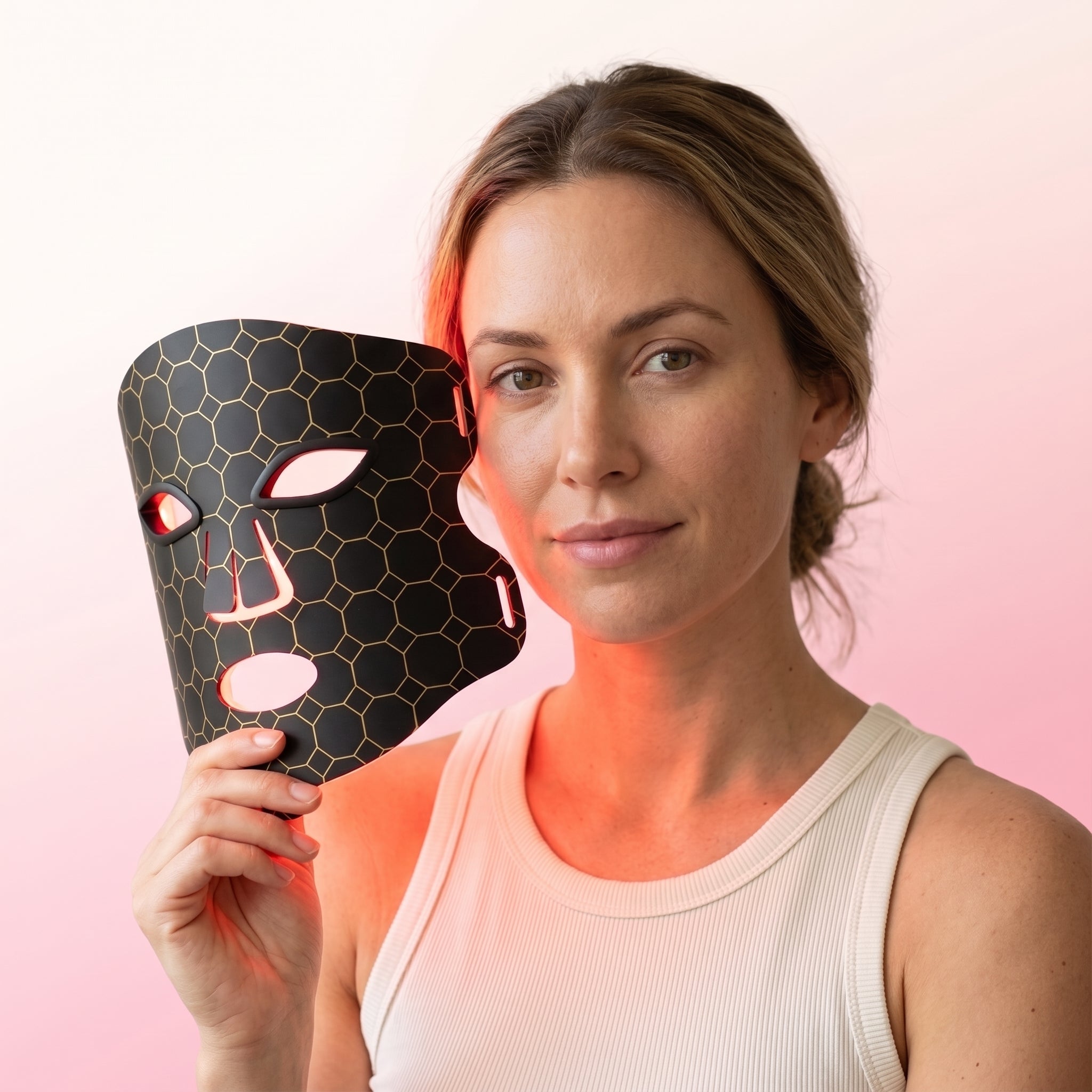
    Short answer: a flexible silicone LED mask is usually lighter, follows the shape of the face and is easier to wear lying down or pack for a trip. A hard shell mask holds a fixed shape, keeps the LEDs a set distance from the skin and can be easier to wipe clean. Both have real drawbacks. And reviewers who have tested many masks agree on one thing: the shell matters less than the wavelengths, the light output, where the LEDs sit and whether you will actually wear the mask regularly.

    What is the difference?

    LED masks come in two basic designs:

    • Flexible (soft) masks are made of silicone or a similar material. The LEDs sit inside a thin, bendable layer that rests on the face and is held in place with straps.
    • Hard shell masks are rigid, usually plastic. The LEDs are mounted inside a fixed shell that sits over the face, often slightly away from the skin.

    Neither design is new or unusual. Both are widely sold at every price point, and both can use the same wavelengths of light.

    Flexible silicone masks: pros and cons

    What people like:

    • Fit. A flexible mask bends to follow the contours of the face. Reviewers at Light Therapy Insiders note this can reduce light leaking out at the edges.
    • Weight. Soft masks are generally lighter, which makes them easier to wear lying back on a sofa or in bed.
    • Storage and travel. Many fold or roll flat, so they fit in a drawer or a suitcase.
    • Doing other things. Because they sit close to the face and stay put with straps, you can often read or relax hands-free.

    The honest drawbacks:

    • Fit varies. Face shapes differ. A soft mask can slide or sit unevenly if the straps pull unevenly, and a poorly cut one can press on the bridge of the nose.
    • Coverage can be patchy. Some soft masks leave gaps between LEDs, or have no LEDs in certain areas such as around the eyes or nose.
    • Warmth. Because silicone rests on the skin, some people find it warm during longer sessions.
    • Cleaning takes care. Flexible surfaces need gentle wiping, and a mask with electronics built in should not be submerged.

    Hard shell masks: pros and cons

    What people like:

    • Stability. A rigid shell holds its shape, so the LEDs stay in the same position every session.
    • Even spread of light. With the LEDs sitting slightly off the face, light can spread more evenly across the surface, according to Light Therapy Insiders.
    • Less contact with the skin. Some people prefer not to have material resting on their face, and a hard shell surface is simple to wipe down.
    • Room for features. The larger body can house more LEDs, bigger batteries and extras.

    The honest drawbacks:

    • Weight and bulk. Hard masks tend to be heavier and take up more space, which makes them harder to store and travel with.
    • Fixed fit. One rigid shape cannot match every face, and reviewers note it can leave gaps around the nose or eyes.
    • Price. Hard shell designs are often at the higher end of the market.

    Side-by-side comparison

    Flexible siliconeHard shell
    FitFollows face contours; varies with straps and face shapeFixed shape; may leave gaps on some faces
    WeightGenerally lighterGenerally heavier
    LED positionRests on or near the skinFixed, slightly away from the skin
    CoverageCan be patchy if LEDs are spaced outOften more even spread
    Wearing lying downUsually easyDepends on weight and design
    Travel and storageOften folds or rolls flatBulkier
    CleaningGentle wipe, never submergeSimple wipe-down surface

    What matters more than the shell

    Thoughtful woman in natural light

    Both of the review sites quoted here come to the same conclusion. INIA puts it most clearly: the choice matters less than wavelength, light output (irradiance), LED placement and “whether you will actually wear the mask regularly.” Before choosing a shell, check:

    • Wavelengths are stated. Red is usually around 630 to 660nm and near-infrared around 830 to 850nm.
    • Light output is published or available. A 2026 study measuring four commercial masks found pronounced variability in light output, whatever the design.
    • The LEDs cover the areas you care about. Look at photos of the inside of the mask, not just the outside.
    • There is a timer and eye protection.
    • It suits your routine. Light therapy is gradual, and Harvard Health describes regular use over months. The best mask is the one you will keep using.

    Which should you choose?

    A flexible silicone mask may suit you if you:

    • want to relax, lie back or read during sessions
    • travel, or want something that stores flat
    • prefer a lighter mask
    Open suitcase neatly packed with clothes and travel essentials

    A hard shell mask may suit you if you:

    • prefer nothing resting against your skin
    • want LEDs held at a fixed distance, with an even spread
    • will use it sitting up at home and do not need to travel with it

    Where Lumina Pro fits

    We sell a flexible mask, so read this section with that in mind. The Rosune Lumina Pro is soft silicone and weighs about 168 g. It has 165 LEDs across the forehead, temples, cheeks, nose, upper lip and chin, and adjustable straps. It uses 660nm red and 850nm near-infrared light, plus blue and purple modes. A 10-minute timer switches it off, clip-in eye covers shade the eyes, and it is cordless in use with a rechargeable controller.

    The flexible-mask drawbacks above apply to it too: take a moment to adjust the straps for an even fit, and clean it by wiping, never submerging. It costs $149 with free US shipping and a 90-day warranty. It is a general-wellness device, not a medical one, and it is not FDA-cleared.

    Frequently asked questions

    Is a silicone LED mask better than a hard shell?

    Not automatically. Silicone is usually lighter and more flexible; hard shells hold a fixed shape and can spread light more evenly. Wavelengths, light output, coverage and whether you will use it regularly matter more than the material.

    Can you sleep in an LED mask?

    Follow your mask’s instructions. Most, including ours, run a timed session and then switch off. Ours is designed for one 10-minute session a day at most.

    How do you clean a silicone LED mask?

    Wipe it with a soft, slightly damp cloth, let it air-dry and store it in its pouch. Do not rinse it under the tap or submerge it. The product FAQ has more care tips.

    Do flexible masks get warm?

    Some people find any mask resting on the skin feels warm over a longer session. Short, timed sessions keep this to a minimum.

  • 660nm vs 850nm: Which Wavelength Does a Face Mask Need?

    660nm vs 850nm: Which Wavelength Does a Face Mask Need?

    Short answer: 660nm is visible deep red light. 850nm is near-infrared, just beyond what the eye can see, and it travels further into tissue than red. Most at-home face masks use red light, and many add near-infrared. Research suggests red light on its own is the core of skin-focused light therapy. Evidence that adding near-infrared does better than red alone is limited, so treat a combination as an option rather than a requirement.

    What the numbers mean

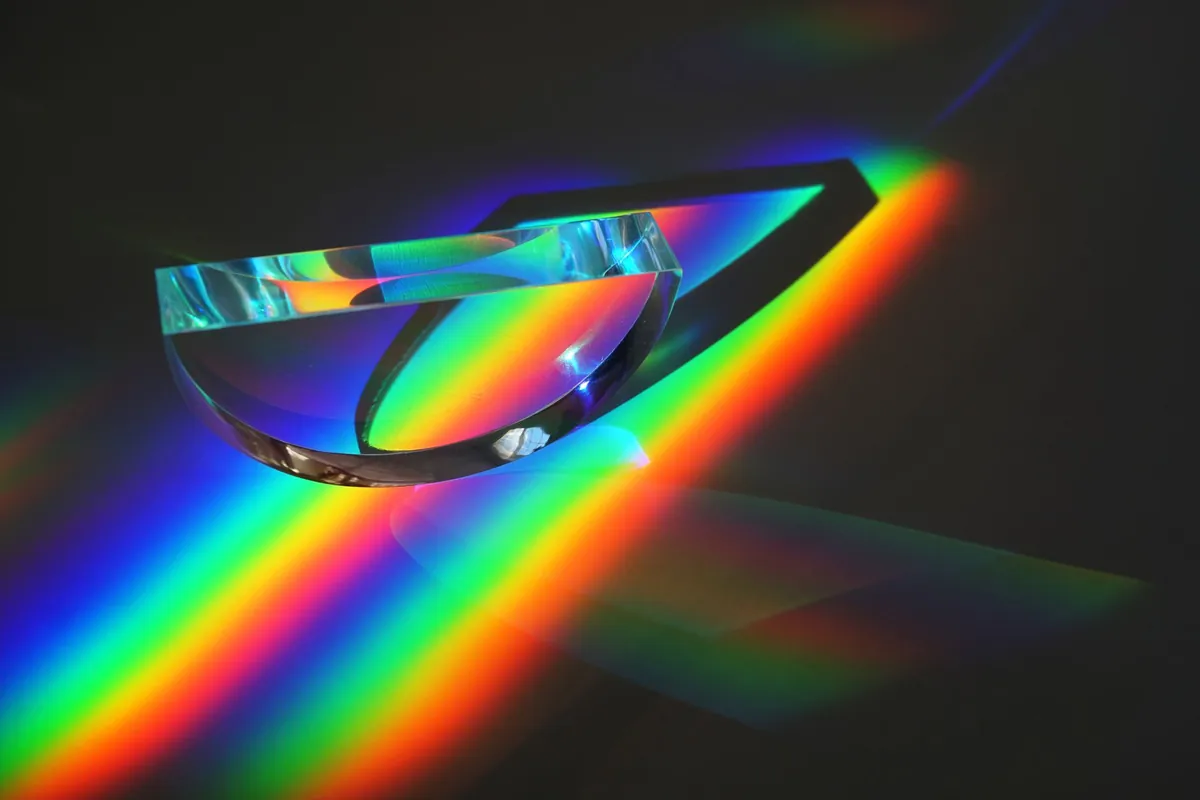
    “nm” stands for nanometers, the unit used to measure the wavelength of light. The human eye sees roughly 380 to 700nm, from violet at the short end to red at the long end.

    • 660nm sits near the top of the visible range. It looks like a deep, rich red.
    • 850nm is beyond the visible range, in the near-infrared. You cannot see the light itself. An 850nm LED usually shows only a faint dull-red glow.

    That is why a mask running near-infrared on its own can look almost switched off, even when it is working.

    How deep does each wavelength go?

    Soft red lights glowing against a dark background

    Different wavelengths are absorbed at different depths. A widely cited review of light therapy in skin by Avci and colleagues (2013) explains the pattern:

    • Shorter wavelengths, from 390 to 600nm (violet, blue, green, yellow), are used for superficial tissue.
    • Longer wavelengths, from 600 to 1,100nm, “penetrate further” and are used for deeper tissue.
    • Wavelengths from 700 to 750nm have limited biochemical activity, which is one reason masks skip from red straight to around 830 to 850nm.

    A 2020 review in the Journal of Clinical Medicine describes 600 to 1,100nm as an “optical window” where light reaches deeper. Within that window, 850nm is longer than 660nm and travels further. So the simple version is: 660nm red is absorbed closer to the surface, and 850nm near-infrared reaches deeper.

    You will see exact depths quoted online, sometimes in centimeters. Real penetration depends on the light’s strength, skin type and many other factors, so treat precise numbers with caution.

    660nm red light

    Red light is the most common wavelength in at-home masks and features in much of the published research on light and skin. The American Academy of Dermatology describes red light therapy as promising, with results that are usually gradual and more research needed. Because it is visible, you can see a red-light mask working, which many people find reassuring.

    850nm near-infrared light

    Near-infrared is invisible and reaches further than red. That is why it is often paired with red in masks and panels: the idea is to cover more than one depth in the same session. On its own, near-infrared is used more for deeper-tissue applications than for the skin’s surface.

    Do you need both?

    Woman with her eyes closed, relaxing in warm lamp light

    Here is the honest answer. Combining red and near-infrared is common, and it makes sense on paper because the two wavelengths reach different depths. But the evidence that a combination beats red alone is limited.

    In a 2014 controlled trial of 136 volunteers, researchers compared red-only light (611 to 650nm) with a broader spectrum running from 570 to 850nm. They found that the broader spectrum “showed no advantage over the red-light-only spectrum.” That is one study with its own setup, not the final word, but it is a good reason to be wary of anyone claiming that near-infrared is essential.

    A sensible approach: choose a mask with good red light first. Treat near-infrared as a welcome extra, not the deciding factor.

    More light is not always better

    Light therapy follows what researchers call a biphasic dose response. The 2020 review describes it with the Arndt–Schultz curve: a weak stimulus increases activity, while too strong a stimulus can inhibit it. The Avci review also stresses that there is an optimal dose.

    In practice, that means sticking to the session length your mask recommends. A longer session or more sessions per day will not speed things up. A built-in timer takes care of this for you.

    What to check on a mask’s spec sheet

    • Exact wavelengths, in nanometers. “Red light” or “infrared” without numbers is not enough.
    • How the wavelengths are used. Can you run red on its own, or only combined? Separate modes give you choice.
    • Light output (irradiance). Wavelength tells you the color; irradiance tells you the strength. A 2026 study of four commercial masks found pronounced variability in irradiance, so ask the seller if it is not published.
    • A timer and eye protection. Follow the instructions on eye covers, especially for bright visible light.
    • Clean skin. The Avci review notes that makeup and oily residue can interfere with light reaching the skin, so use a mask on clean, dry skin.

    How Lumina Pro uses 660nm and 850nm

    The four light modes of the Lumina Pro LED mask

    The Rosune Lumina Pro gives you the choice. You can run 660nm red on its own, or red with 850nm near-infrared alongside it. There are also blue and purple modes, and you switch between all four with the M button. A 10-minute timer ends each session, and clip-in eye covers shade the eyes.

    In line with the research above, we do not claim that the combined mode is better than red alone. It is there if you want it. Lumina Pro costs $149 with free US shipping and a 90-day warranty. It is a general-wellness device and is not FDA-cleared.

    Frequently asked questions

    Is 660nm or 850nm better for the face?

    Red light around 630 to 660nm is the more established choice for skin-focused masks. Near-infrared reaches deeper and is often added alongside. Evidence that the combination outperforms red alone is limited.

    Can you see 850nm light?

    Not really. 850nm is beyond the visible range. Most people see only a faint, dull-red glow from near-infrared LEDs.

    Is near-infrared light safe for your eyes?

    Follow your mask’s instructions and use the eye protection it provides. Harvard Health advises wearing eye protection whenever a device’s directions recommend it. If you have an eye condition, ask your doctor first.

    Why do masks skip 700 to 750nm?

    The Avci review notes that 700 to 750nm has limited biochemical activity, so most devices use red around 630 to 660nm and near-infrared around 810 to 850nm.

  • Red, Near-Infrared, Blue, Purple: LED Mask Colors Explained

    Red, Near-Infrared, Blue, Purple: LED Mask Colors Explained

    Short answer: each LED color is a different wavelength of light, and wavelength decides how deep the light travels into the skin. Red (about 630 to 660nm) is the most common and most studied color in home masks. Near-infrared (about 830 to 850nm) is invisible and reaches further. Blue (about 415nm) stays near the surface and needs the most eye care. Purple is usually a mix of colors. Yellow and green appear on some masks but are less studied. Here is what each means and what to watch for.

    Why color matters: wavelength and depth

    The color you see is the light’s wavelength, measured in nanometers (nm). A widely cited review of light therapy in skin by Avci and colleagues explains the basic rule. Shorter wavelengths, from 390 to 600nm (violet, blue, green, yellow), are used for superficial tissue. Longer wavelengths, from 600 to 1,100nm (red and near-infrared), “penetrate further.” The same review notes that red light penetrates deeper than blue.

    So a mask’s colors are not just decoration. Each one reaches a different depth.

    Red (around 630 to 660nm)

    Red is the backbone of most at-home masks. It is visible, so you can see the mask working, and it features in much of the published research on light and skin. The American Academy of Dermatology describes red light therapy as promising, with gradual results and more research needed. Red is also less likely than blue to disrupt sleep, which makes it the easy choice for evening sessions.

    Near-infrared (around 810 to 850nm)

    Near-infrared sits just beyond what the eye can see, so a near-infrared LED shows only a faint dull-red glow. It is longer than red and travels further into tissue. A 2020 review describes 600 to 1,100nm as an “optical window” with deeper penetration. Masks often pair near-infrared with red to cover two depths in one session. Evidence that the pairing beats red alone is limited, though: one 2014 controlled trial found no advantage for a broader red-to-near-infrared spectrum over red light alone. Our 660nm vs 850nm guide goes deeper.

    Blue (around 405 to 470nm, often 415nm)

    Blurred blue lights glowing in the dark

    Blue has a short wavelength and stays near the surface of the skin. In clinics, dermatologists use blue light as one option for blemish-prone skin, as Consumer Reports explains. Blue also needs the most care:

    • Eyes. Blue light carries more energy. There is at least one published case of retinal damage linked to a blue LED mask, and the authors stress keeping the eyes covered. See our eye safety guide.
    • Sleep. Harvard Health notes that blue light at night suppresses melatonin more powerfully than other colors. Blue mode is best used earlier in the day.

    Purple (a mix)

    Grid of glowing purple LED lights

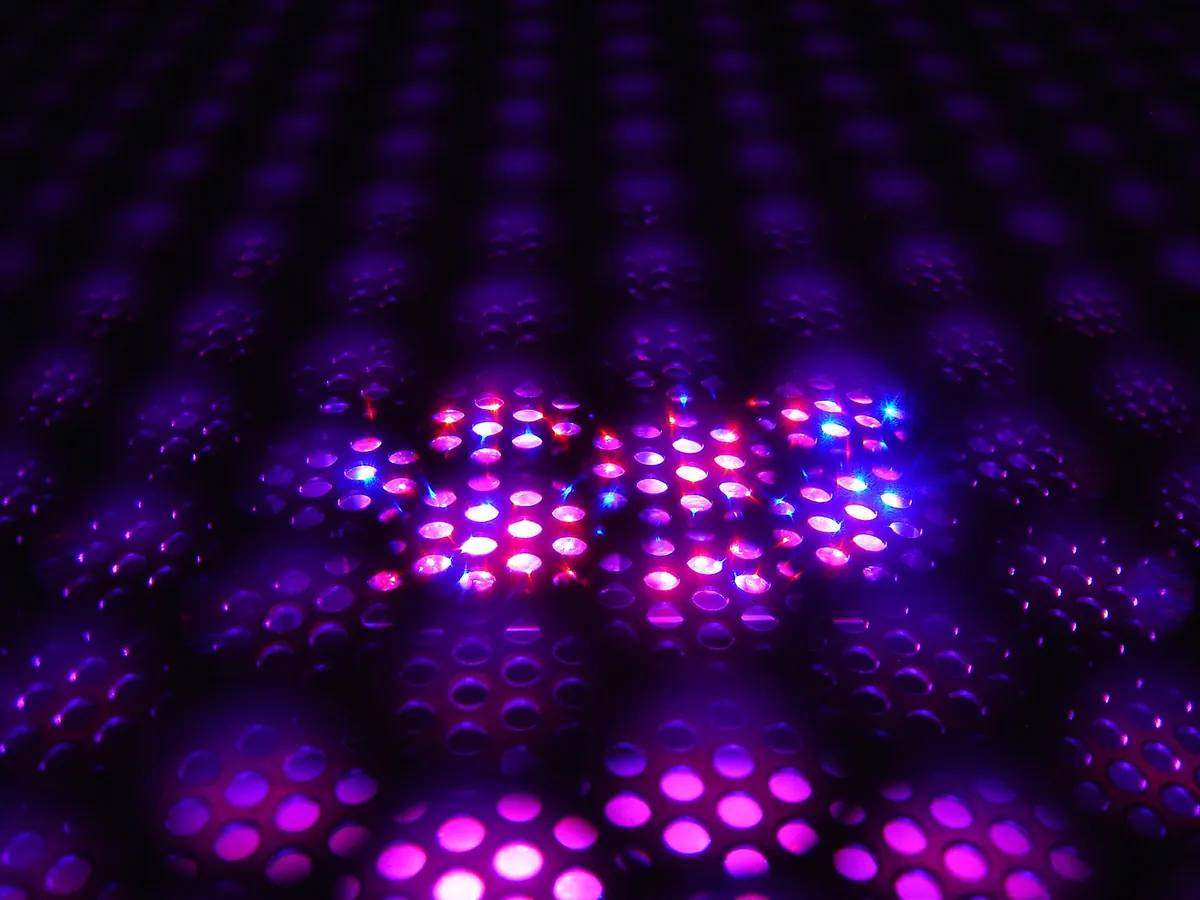
    Purple on an LED mask is usually not a single wavelength. It is typically red and blue LEDs running together, which the eye sees as purple. Some masks add near-infrared as well. Because “purple” means different things on different masks, check the product’s specifications or ask the seller exactly which wavelengths the mode uses. And because it includes blue, the same eye and bedtime precautions apply.

    Yellow, amber and green

    Some masks add yellow or amber (around 590nm) and green (around 520nm). They have been studied far less than red: yellow around 590nm appears in some published studies, green in fewer. Both are shorter wavelengths that stay near the surface. A 2026 study measuring four commercial masks found considerable differences in peak positions for some colors, “such as yellow or violet”. In other words, the color advertised was not always the wavelength delivered. The authors also noted that evidence on the effects of visible light at different doses “remains limited.”

    More colors is not the same as better

    A mask with seven colors is not automatically better than one with two. What matters more:

    • Stated wavelengths. Exact nanometers for each color, not just “blue” or “green”.
    • Light output. The 2026 study found pronounced variability in irradiance between masks.
    • The colors you will actually use. Most people rely mainly on red.
    • Eye protection and a timer, especially if the mask has blue or purple.

    Quick reference

    ColorTypical wavelengthDepthThings to know
    Red630–660nmDeeper than blueMost common and most studied; fine for evenings
    Near-infrared810–850nmDeepestInvisible, faint glow; often paired with red
    Blue405–470nm (often ~415nm)Near the surfaceKeep eyes covered; use earlier in the day
    PurpleMix (usually red + blue)VariesCheck what it combines; blue precautions apply
    Yellow / green~590nm / ~520nmNear the surfaceStudied less than red; advertised color may differ from actual

    The colors on Lumina Pro

    The four light modes of the Lumina Pro LED mask

    The Rosune Lumina Pro has four modes: 660nm red, red with 850nm near-infrared, blue, and purple. Switch between them with the M button. A 10-minute timer ends each session, and the clip-in eye covers should always be in, especially in blue and purple. Lumina Pro is a general-wellness device. It is not FDA-cleared, and we do not claim that any of its modes treats a skin condition. It costs $149 with free US shipping and a 90-day warranty.

    Frequently asked questions

    Which LED mask color is best?

    Red is the most established choice for at-home masks. Near-infrared is a common addition. Blue and other colors are extras with their own precautions.

    What does purple light do on an LED mask?

    Purple is usually red and blue running together, sometimes with near-infrared. Check the specifications for your mask, and follow blue-light eye precautions.

    Can I use different colors in the same session?

    Follow your mask’s instructions. Many masks run one mode per session. Do not stack extra sessions to try more colors; once a day is enough.

    Is blue light from an LED mask safe?

    Used as directed with the eyes covered, blue mode is widely used. But blue carries more energy, so eye protection matters most in this mode. Ask a doctor first if you have an eye condition.

  • Are LED Face Masks Safe for Your Eyes? What to Know

    Are LED Face Masks Safe for Your Eyes? What to Know

    Short answer: for most people, a well-designed LED face mask used as directed, with the eyes covered, is considered low risk. Red and near-infrared light are the least concerning; blue light deserves more care: there is at least one published case of retinal damage linked to a blue LED mask. People with certain eye conditions, or who take medication that makes them more sensitive to light, should talk to a doctor first. The simplest rule: keep your eyes covered and follow the instructions.

    Why eye safety comes up with LED masks

    An LED mask places bright lights very close to your face. Most masks have cut-outs or covers so the light is not aimed straight into the eyes, but some light can still spill around the edges. Consumer Reports notes that prolonged exposure to blue or red light may cause blurry vision, eye pain, eye irritation or changes in vision for some people.

    That does not mean masks are dangerous. It means eye protection is part of using one properly, just like reading the instructions.

    Red and near-infrared light

    Red (around 630 to 660nm) and near-infrared (around 830 to 850nm) are the main wavelengths in most at-home masks. Dermatology sources treat at-home red light devices as safe for home use when they are used as directed. Even so, bright red light is uncomfortable to look into, and near-infrared is invisible, so you cannot judge its brightness by eye. The American Academy of Dermatology advises wearing eye protection whenever the directions tell you to, and using the protection recommended rather than a substitute such as sunglasses.

    Blue light needs more care

    Patient having an eye examination with an ophthalmologist

    Blue light has a shorter wavelength and carries more energy, and it is the color most associated with eye concerns. Two real-world events show why:

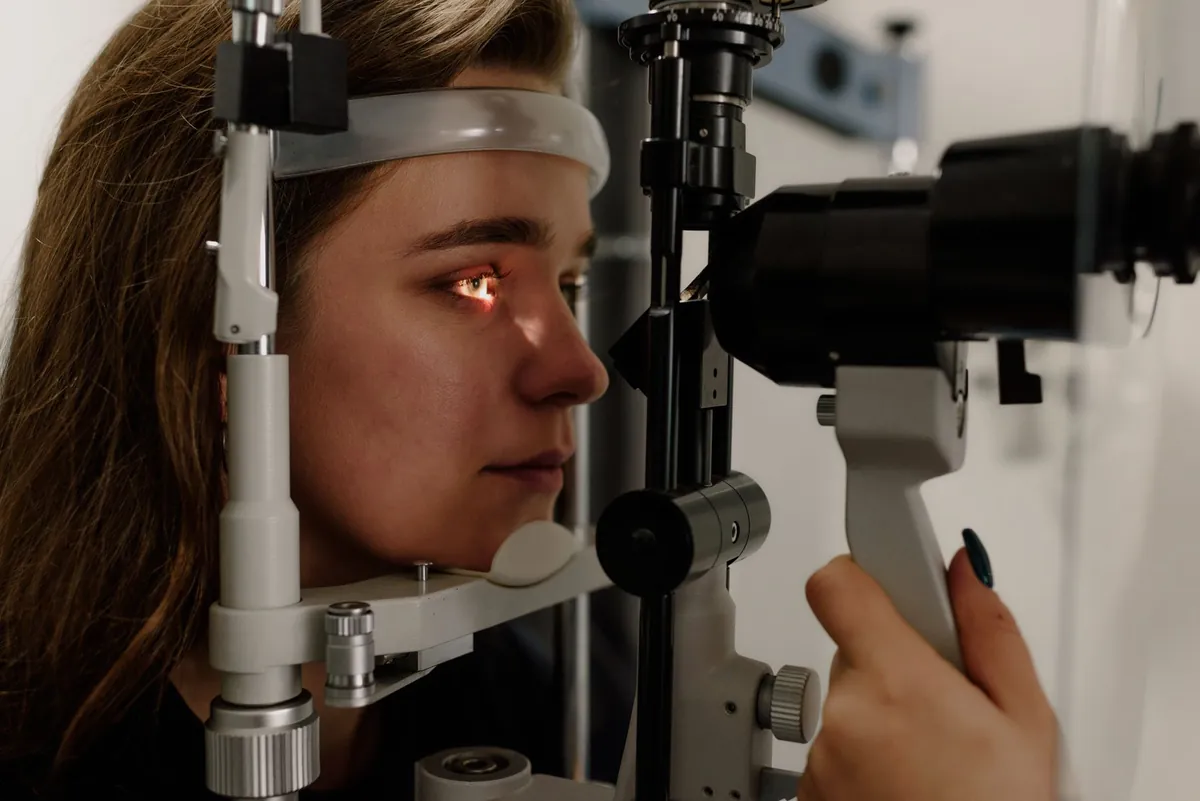
    • A 2020 case report. Doctors in South Korea described a 37-year-old woman who developed distorted vision after using a blue LED face mask. She was diagnosed with blue-light-induced photochemical retinopathy, damage to the light-sensitive layer at the back of the eye. Her vision improved after treatment. The authors called it a rare case and concluded that it is important to “ensure the eyes are covered during LED face mask use.”
    • A 2019 recall. Neutrogena voluntarily recalled its Light Therapy Acne Mask, which used blue and red light, “out of an abundance of caution”, as Health Canada recorded. The company said that people with certain underlying eye conditions, or taking medication that could make the eyes more sensitive to light, faced a theoretical risk of eye injury. It added that reported effects on vision were “rare, generally mild and transient.”

    Neither case means blue light masks are unsafe for everyone. Both are strong reasons to keep the eyes covered, especially in blue mode.

    Who should check with a doctor first

    • Anyone with an eye condition, particularly a retinal disorder. Consumer Reports specifically mentions retinal disorders.
    • Anyone taking medication that increases light sensitivity. Reports on the Neutrogena recall named the antibiotic doxycycline as an example. The FDA’s list of drugs that can increase sun sensitivity includes some antibiotics, antifungals, antihistamines, cholesterol drugs, diuretics, retinoids such as isotretinoin, and St John’s wort. That list is about sunlight, but it is a useful prompt to ask your pharmacist.
    • Anyone who is sensitive to bright or flickering light.

    How to protect your eyes

    Woman resting in bed with her eyes covered
    1. Use the eye protection that comes with the mask, every session: goggles, covers or shields. Do not swap in sunglasses unless the instructions say so.
    2. Keep your eyes closed during the session, and never look directly into the LEDs.
    3. Take extra care in blue mode. Make sure covers are fitted before you switch it on.
    4. Stick to the session length. Let the timer end the session, and do not stack sessions back to back.
    5. Check the fit. A mask that sits unevenly can let more light reach the eye area. Adjust the straps before you start.

    When to stop and see a doctor

    Stop using the mask and speak to a doctor or eye specialist if you notice blurred or distorted vision, eye pain or irritation, spots or flashes, or any change in your vision that does not settle quickly. These are among the effects listed in coverage of the Neutrogena recall and by Consumer Reports. Most reported effects have been mild and temporary, but changes in vision should always be checked.

    How Lumina Pro handles eye safety

    Lumina Pro LED mask worn at home

    The Rosune Lumina Pro comes with two clip-in eye covers that shade your eyes from the LEDs, while your nose and mouth stay free. Clip them in once and they stay put. A 10-minute timer ends each session, and we recommend no more than one session a day.

    Lumina Pro has a blue mode, so please keep the covers in whenever you use it, and keep your eyes closed in every mode. If you have an eye condition or take light-sensitising medication, ask your doctor before your first session. Lumina Pro is a general-wellness device, not a medical one, and it is not FDA-cleared. More guidance is in our product FAQ.

    Frequently asked questions

    Can you open your eyes while wearing an LED mask?

    It is best not to. Keep your eyes closed and the eye protection in place for the whole session.

    Is red light bad for your eyes?

    Red light is the least concerning of the common LED colors, and dermatology sources treat red light devices as safe for home use when used as directed. Bright light close to the face still should not be stared into, so use the eye protection provided.

    Is blue light from an LED mask dangerous?

    Blue light carries more energy, and there is at least one published case of retinal damage from a blue LED mask. Cover your eyes, follow the timer, and ask a doctor first if you have an eye condition.

    Can I wear an LED mask if I take doxycycline or isotretinoin?

    Ask your doctor or pharmacist first. These medicines can increase sensitivity to light.

  • Who Should Not Use an LED Face Mask? A Safety Checklist

    Who Should Not Use an LED Face Mask? A Safety Checklist

    Short answer: LED face masks are considered safe for home use by most people when used as directed. But they are not for everyone. Skip one, or speak to a doctor first, if you are pregnant or under 18. The same goes if you have a light-sensitive condition such as lupus, take medication that increases light sensitivity, have an eye condition, or have an active rash or a recent laser or IPL treatment. People with darker skin tones or melasma should also check with a dermatologist before starting.

    Why a checklist matters

    At-home LED devices are low risk for most people. The American Academy of Dermatology says they are considered safe for home use and that the most common side effects are mild, such as temporary irritation. But “most people” is not everyone. Light affects some bodies, skin types and medicines differently. A two-minute check before your first session is the easiest safety step there is.

    The checklist

    If any of these apply to you, do not start using an LED mask until you have spoken to the right doctor.

    1. You are pregnant

    Pregnant woman smiling on a sofa with a book

    Pregnant people are not usually included in trials of light devices, so there is very little research either way. Without evidence of safety, the cautious choice is to wait, or to ask your OB-GYN. Our own mask is not intended for use during pregnancy.

    2. You are under 18

    At-home masks are generally designed and tested with adults in mind. Our terms require buyers to be at least 18, and we do not recommend Lumina Pro for anyone younger.

    3. You have a light-sensitive condition

    Conditions that make the skin react to light, such as lupus, are a reason to check with your doctor first. Harvard Health specifically advises against red light therapy for people with a light-sensitive condition such as lupus.

    4. You take medication that increases light sensitivity

    Woman checking the label on a medication bottle

    Some medicines make the skin or eyes more sensitive to light. Harvard Health advises avoiding red light therapy while taking them, and Healthline names the acne drug isotretinoin (Accutane) as one to avoid. The FDA’s list of drugs that can increase sun sensitivity includes:

    • some antibiotics, such as doxycycline and tetracycline
    • some antifungals and antihistamines
    • some cholesterol drugs and diuretics
    • retinoids such as isotretinoin
    • the herbal supplement St John’s wort

    That list is about sunlight, not LED masks specifically, but it is a sensible prompt. If you take any of these, ask your doctor or pharmacist before using a mask.

    5. You have an eye condition

    Consumer Reports recommends eye protection, particularly for people with retinal disorders or on light-sensitising medication. There is also at least one published case of retinal damage linked to a blue LED mask. If you have any eye condition, ask your eye doctor first. Our guide to LED masks and eye safety has more detail.

    6. You have an active rash, broken skin or a diagnosed skin condition

    Healthline advises against LED treatment if you have an active rash. Let irritated or broken skin settle first. If you have a diagnosed skin condition, ask your dermatologist whether light therapy fits your treatment.

    7. You have recently had a laser, IPL or other in-office treatment

    Skin that has just been treated is more reactive. Ask the clinic that treated you how long to wait before using any light device at home.

    8. You have a darker skin tone or melasma

    The AAD notes that people with darker skin tones can be more sensitive to visible light, which can lead to hyperpigmentation (dark patches). It suggests speaking with a dermatologist before starting. Consumer Reports adds that LED masks have not been extensively studied in people of color. If you have melasma, get a dermatologist’s advice first.

    9. Bright or flickering light has ever triggered a seizure

    If you have photosensitive epilepsy, or bright or flashing light has ever affected you, talk to your neurologist before using any light device.

    What to ask your doctor

    If something on the list applies to you, these questions make the conversation quick:

    • Is light therapy at home suitable for me, given my condition or medication?
    • Should I avoid any light color (red, near-infrared or blue) in particular?
    • Is there anything I should stop using on my skin before or after a session?
    • Which changes should make me stop and come back to see you?

    Take the mask’s specifications with you, including the wavelengths and session length, so your doctor knows exactly what you would be using.

    If none of these apply

    Woman discussing medication with a pharmacist

    Follow the instructions for your mask: use it on clean, dry skin, keep the eye protection in place, stick to the session length and do not use it more than recommended. Stop and speak to a doctor if your skin reacts or your vision changes. If your health or medication changes later, run through this list again.

    Our own guidance for Lumina Pro

    The Rosune Lumina Pro is a general-wellness device, not a medical one, and it is not FDA-cleared. It is not for you if you are pregnant, under 18, or have a photosensitive or diagnosed skin condition. Please check with your doctor first if you are breastfeeding, take light-sensitising medication, or have recently had a laser or IPL treatment. Clip-in eye covers and a 10-minute timer are built in.

    A used mask cannot be returned for hygiene reasons, so please ask us before you open the box if you are unsure. Our returns and warranty policy has the details, and our contact page reaches a real person.

    Frequently asked questions

    Can you use an LED face mask while breastfeeding?

    There is little research. Speak to your doctor first. We ask breastfeeding customers to check before using Lumina Pro.

    Can I use an LED mask if I use retinol?

    Retinol is a topical skincare ingredient, which is different from the oral medicine isotretinoin. Apply retinol and other active skincare after your session, not before. If you use a prescription retinoid, ask your dermatologist.

    Are LED masks safe for teenagers?

    At-home masks are generally made for adults. A teenager interested in light therapy should see a dermatologist.

    What side effects should I watch for?

    The AAD says the most common side effects are mild, such as temporary irritation. Stop and seek advice if you notice lasting redness, a rash, or any change in your vision.

  • LED Mask Before or After Skincare? The Right Routine Order

    LED Mask Before or After Skincare? The Right Routine Order

    Short answer: use your LED mask before your skincare, on clean, dry skin. The order is: cleanse, pat dry, LED session, then serum, moisturizer and, in the morning, sunscreen. Products on the skin can get in the way of the light, and tinted sunscreens are specifically designed to block visible light. The one exception: if your mask’s instructions say to apply a particular product first, follow them.

    The right order, step by step

    1. Cleanse. Remove makeup, sunscreen and the day’s oil with your usual cleanser.
    2. Pat completely dry. Water droplets and damp skin are best avoided under an electronic mask.
    3. Run your LED session. Eye protection in, eyes closed, and let the timer end it.
    4. Apply serum. Vitamin C, niacinamide, hyaluronic acid or whatever you use.
    5. Moisturize.
    6. Sunscreen (morning only). The American Academy of Dermatology recommends a broad-spectrum SPF 30 or higher.
    7. Makeup, if you wear it.

    At night, retinol and other evening actives go on after the session, in step 4 or 5, following their own instructions.

    Why the mask comes first

    An LED mask works by shining light onto the skin, so anything sitting on top can get in the way. A widely cited review of light therapy in skin by Avci and colleagues notes that failing to remove makeup and oily debris can interfere with light reaching the skin. It lists poor skin preparation as one reason light therapy may underperform.

    Many skincare products leave a film, and some are designed to interact with light:

    • Tinted sunscreens often contain iron oxides. The AAD recommends them precisely because they increase protection against visible light. That is the opposite of what you want during a session.
    • Mineral sunscreens and makeup contain pigments and particles that reflect or absorb light.
    • Heavy creams and oils leave a layer between the LEDs and your skin.

    Clean, dry skin means the light reaches your skin as the mask was designed to deliver it.

    The exception: masks designed for a pre-treatment product

    A few devices are designed to be used with a specific serum or gel applied first. If your mask’s instructions tell you to apply something before the session, follow the device’s guide rather than the general rule. Instructions for your exact mask always come first.

    What about actives like retinol and vitamin C?

    Smiling woman applying face cream

    Apply them after the session, like the rest of your skincare. There is a second reason to keep strong actives off your skin during a session: some make skin more reactive in general, and applying them after keeps things simple.

    A separate question is prescription medication. Oral isotretinoin (Accutane), for example, is named by Healthline as a reason to avoid LED treatment. If you use any prescription skin treatment, ask your dermatologist before adding a light device. Our safety checklist has more.
    Common mistakes

    • Wearing the mask over sunscreen or makeup. Cleanse first, even in the morning.
    • Using it on damp skin straight out of the shower. Pat dry and give it a minute.
    • Slathering on a sheet mask or oil “to boost it”. Unless your device says to, keep products for afterwards.
    • Doubling up sessions. Once a day at most. Our guide to how often to use a red light mask explains why more is not better.
    • Skipping the eye protection because you are in a hurry.

    A simple routine to copy

    MorningEvening
    1Gentle cleanseRemove makeup, then cleanse
    2Pat dryPat dry
    3LED session (red or blue)LED session (red or red + near-infrared)
    4SerumSerum or retinol
    5MoisturizerMoisturizer
    6Sunscreen SPF 30+—

    Why blue in the morning? Blue light at night suppresses melatonin more powerfully than other colors, according to Harvard Health. Our guide to the best time to use an LED mask explains more.

    The Lumina Pro routine

    Lumina Pro LED mask worn at home

    Our instructions for the Rosune Lumina Pro follow exactly this order. Cleanse and dry, and leave vitamin C, niacinamide and retinol for later. Clip in the eye covers, press power, then M to choose your light, and relax for the 10-minute session. Then apply your usual serum and moisturizer. Afterwards, wipe the inside of the mask with a soft, slightly damp cloth.

    Lumina Pro is a general-wellness device and is not FDA-cleared. It costs $149 with free US shipping and a 90-day warranty.

    Frequently asked questions

    Should I use an LED mask before or after serum?

    Before. Use the mask on clean, dry skin, then apply serum afterwards, unless your device’s instructions say otherwise.

    Can I wear sunscreen under an LED mask?

    It is better not to. Sunscreen, especially tinted mineral sunscreen with iron oxides, is designed to block light. Apply it after your session.

    Can I use an LED mask after a chemical exfoliant?

    Freshly exfoliated skin can be more sensitive. Keep strong exfoliants for a different time from your session, and stop if your skin feels irritated.

    Do I need to wash my face after using an LED mask?

    No. Go straight on to your serum and moisturizer.

  • Morning or Night? The Best Time to Use an LED Face Mask

    Morning or Night? The Best Time to Use an LED Face Mask

    Short answer: there is no good evidence that one time of day works better than another. The best time to use an LED face mask is whenever you will do it consistently. Evening suits most people, because skin is already clean and there is nothing to rush. Morning works too, as long as you finish with sunscreen. One exception: if your mask has a blue mode, use it earlier in the day rather than just before bed.

    Does timing actually matter?

    We looked for research comparing morning and evening use of at-home LED masks and did not find any good-quality studies showing a difference. What the evidence does support is consistency. Harvard Health describes light therapy as something used multiple times a week over months. A routine you keep matters far more than the hour on the clock.

    So the real question is not “when works best?” but “when will I actually do it?”

    Using an LED mask in the morning

    Woman enjoying a warm drink on her bed in the morning

    Good for you if: your evenings are unpredictable, you like starting the day with a routine, or you already have ten quiet minutes over coffee.

    How to do it:

    1. Cleanse and pat your skin completely dry.
    2. Run your session with the eye protection in place.
    3. Apply your serum and moisturizer.
    4. Finish with sunscreen. The American Academy of Dermatology recommends a broad-spectrum SPF 30 or higher for daily use. LED masks do not use UV light, but daily sunscreen is good practice anyway.
    5. Apply makeup last, if you wear it.

    Watch out for: rushing. If mornings are a scramble, a mask easily gets skipped.

    Using an LED mask at night

    Good for you if: you wind down in the evening, you remove makeup before bed anyway, or you like to pair the session with a book or a show.

    How to do it:

    1. Remove makeup and cleanse. Makeup and oily residue can interfere with light reaching the skin, as a review of light therapy in skin points out.
    2. Pat dry and run your session.
    3. Follow with your evening skincare, including any retinol or other actives, after the session.

    Watch out for: falling asleep before you start. Many people find it easiest to do the session straight after cleansing.

    Keep blue light earlier in the day

    Woman washing her face with her hair wrapped in a towel

    If your mask has a blue mode, timing matters for a different reason: sleep. Harvard Health explains that while light of any kind can suppress melatonin, the hormone that helps you sleep, blue light at night does so more powerfully. In one Harvard experiment, blue light suppressed melatonin for about twice as long as green light of similar brightness. The same article notes that red light is less likely to shift your body clock, and it recommends avoiding bright screens for two to three hours before bed.

    With your eyes closed and covered, a mask is not the same as staring at a screen. Even so, a simple rule makes sense:

    • Evening sessions: red or red with near-infrared.
    • Blue mode: morning or afternoon, and always with the eye covers in place.

    If you work nights or shifts

    “Morning” and “night” are really about your own sleep schedule, not the clock. If you work nights, treat the start of your waking day as your morning and the time before your main sleep as your night. The same rules apply: red or red with near-infrared before you sleep, and blue mode, if you use it, early in your waking hours. Harvard Health’s advice on light at night specifically includes people who work night shifts, so it is worth keeping bright light away from the hours before you sleep.

    Other timing tips

    • Once a day at most. If you use your mask in the morning, do not repeat it at night. More sessions do not speed things up.
    • Dry skin only. After a shower, make sure your face is completely dry first.
    • Same time, same days. Fixed days, such as Monday, Wednesday, Friday and Sunday, are easier to keep than “when I remember”. Our guide to how often to use a red light mask has an example week.
    • Switch if it is not working. If you keep skipping morning sessions, move them to the evening, or the other way round. The best time is the one that sticks.

    When to use Lumina Pro

    Evening session with the Lumina Pro LED mask

    The Rosune Lumina Pro fits either routine. Sessions last 10 minutes on the timer, and it is cordless in use, so you can do them on the sofa in the evening or over breakfast in the morning. Use it on clean, dry skin, apply your skincare afterwards, and keep the clip-in eye covers in, especially in blue mode. Once a day at most, three to five times a week.

    Lumina Pro is a general-wellness device and is not FDA-cleared. It costs $149 with free US shipping and a 90-day warranty.

    Frequently asked questions

    Is it better to use an LED mask in the morning or at night?

    Neither has been shown to work better. Choose the time you will stick to. Evening suits most people. If you use it in the morning, finish with sunscreen.

    Can I use an LED mask before bed?

    Yes. Red and near-infrared modes are the better choice close to bedtime. Harvard Health notes that blue light suppresses melatonin more powerfully than other colors, so keep blue mode for earlier in the day.

    Can I use it right after a shower?

    Yes, once your skin is completely dry. Use it on clean skin, before serums and moisturizer.

    Can I use an LED mask at lunchtime or at my desk?

    If your mask is cordless in use, yes. Any time works, as long as your skin is clean and dry and you keep to one session a day.

    Can I put makeup on after using an LED mask?

    Yes. Run the session on clean skin, then apply skincare, sunscreen and makeup as usual.

  • What Does an LED Face Mask Feel Like? Your First Session

    What Does an LED Face Mask Feel Like? Your First Session

    Short answer: for most people, an LED face mask feels like very little. You feel the gentle weight of the mask and the straps, and you see a soft glow through your closed eyelids in the visible modes. A mask resting on the skin can feel slightly warm. Some masks add a soft vibration. It should never sting, burn or hurt. If it does, take it off. Here is what to expect, step by step.

    Before your first session

    Woman on a couch opening parcels
    • Read the guide. It is short, and it tells you the session length, how to fit the eye protection and how often to use your mask.
    • Charge it fully. Rechargeable masks usually arrive with some charge, but a full battery means your first session will not stop halfway.
    • Check you are a good fit for light therapy. If you are pregnant, take medication that increases light sensitivity, or have an eye or skin condition, speak to a doctor first. Our safety checklist has the full list.
    • Pick a quiet ten minutes. The sofa or bed is ideal for a first try.

    Step by step

    1. Cleanse and pat dry. No makeup, sunscreen or serum under the mask. Products can get in the way of the light, as a review of light therapy in skin notes.
    2. Fit the eye protection. Put in the covers or goggles before you switch on.
    3. Put the mask on and adjust the straps. Snug enough not to slide, loose enough to be comfortable. An even fit matters more than a tight one.
    4. Close your eyes, then switch on. Choose your mode and let the timer run.
    5. Relax. Read, listen to something, or do nothing.
    6. When the timer ends, take it off and apply your usual skincare.

    What it actually feels like

    The light. With your eyes closed, red light shows as a warm glow through your eyelids. Blue looks cooler and brighter. Near-infrared on its own is invisible, so a near-infrared-only mode can look almost switched off even when it is working. You may just see a faint dull-red glow from those LEDs.

    The fit. A flexible silicone mask rests on the face and follows its shape. A hard shell sits over the face. Either way, you are aware of it for the first minute or two, and then most people stop noticing.

    Warmth. At-home LED masks work at low power and are not designed to heat the skin. But anything resting on your face, silicone included, can feel slightly warm over a few minutes. Gentle warmth is normal. Heat that feels uncomfortable is not.

    Vibration (on some masks). Some masks have small motors that add a soft hum or buzz while the light runs. It is usually adjustable, and it is fine to turn it down or off.

    Sound. Apart from any vibration, LED masks are quiet. Some may beep when you switch modes or when the session ends.

    What is normal afterwards

    Smiling woman applying face cream
    • Nothing much. This is the most common experience. Light therapy is gradual, and one session will not change how your skin looks. Harvard Health describes regular use over months.
    • Slight pinkness or warmth that fades quickly. The American Academy of Dermatology says the most common side effects of red light therapy are mild, such as temporary irritation.
    • Faint strap marks if the straps were tight. Loosen them next time.

    When to stop

    Take the mask off and do not use it again until you have spoken to a doctor if you notice:

    • stinging, burning or pain during the session
    • redness, itching or a rash that does not fade within a few hours
    • blurred vision, eye pain, spots or flashes, or any change in your vision. Consumer Reports lists these among possible effects of bright light near the eyes. Our eye safety guide has more.

    First-session mistakes to avoid

    • Opening your eyes to “see if it’s working”. Keep them closed; trust the glow.
    • Going longer because it feels nice. Let the timer end the session. Our guide to how often to use a red light mask explains why more is not better.
    • Starting with blue at bedtime. Blue light at night affects sleep more than other colors. Start with red.
    • Using it on damp skin straight out of the shower.

    Your first session with Lumina Pro

    Woman wearing the soft silicone Lumina Pro LED mask

    With the Rosune Lumina Pro, charge the controller with the USB-C cable first. Cleanse and dry your face, clip in the two eye covers and hook on the straps. Press power, then M to choose your light: red is a good start. Then relax for the 10-minute session. The silicone weighs about 168 g, and the built-in vibration adds a soft hum, with more than one intensity. Nothing plugs into the wall while you wear it. When it switches off, apply your serum and moisturizer, and wipe the inside of the mask with a soft, slightly damp cloth.

    Lumina Pro is a general-wellness device and is not FDA-cleared. It costs $149 with free US shipping and a 90-day warranty.

    Frequently asked questions

    Does an LED face mask hurt?

    No. It should feel like very little: gentle weight, a soft glow and perhaps slight warmth. Stinging, burning or pain means stop.

    Does an LED mask get hot?

    At-home masks are low powered and not designed to heat the skin. A mask resting on your face can feel slightly warm, which is normal. Uncomfortable heat is not.

    Can you talk or move while wearing one?

    Usually yes, within reason. Flexible masks with straps stay put while you read or relax. Keep your eyes closed.

    Will I see a difference after one session?

    No, and you should not expect to. Light therapy is gradual and relies on regular use over months.

  • Cordless LED Face Mask: What It Means and Why It Matters

    Cordless LED Face Mask: What It Means and Why It Matters

    Short answer: a cordless LED face mask runs on a rechargeable battery, so nothing plugs into the wall while you wear it. That sounds like a small detail, but it decides where and how easily you can use the mask: on the sofa, in bed, at your desk or while traveling. And an easy routine is one you keep. One thing to know: “cordless” does not always mean “no cable”. Many cordless masks connect to a small battery controller by a short cable. Here is how to tell the designs apart and what to check.

    Three designs, three meanings

    DesignHow it is poweredWhat it means for you
    CordedPlugs into a wall outlet during useUnlimited power, but you are tied to a socket and a cable length
    Cordless in useRechargeable battery in a controller, connected to the mask by a short cableMove freely; the controller sits in your hand, on your lap or beside you
    Fully wirelessBattery built into the mask itselfNo cable at all, but the battery adds weight to the mask

    Product listings do not always use these words carefully. “Wireless” is sometimes used for masks that actually have a controller cable. Look at the product photos: if you can see a cable running to a separate controller, the mask is cordless in use, not wireless.

    Why cordless matters more than it looks

    Light therapy is gradual. Harvard Health describes regular use, multiple times a week, over months. So the most important feature of any mask is one that spec sheets never list: whether you will keep using it.

    Reviewers who test many masks make the same point. INIA concludes that what matters most includes “whether you will actually wear the mask regularly,” and that comfort drives whether people keep up the routine. Removing the wall socket helps with that:

    • Use it where you relax. Sofa, bed, armchair: no hunting for an outlet or an extension lead.
    • Multitask. Read, watch something or answer emails while the timer runs.
    • Take it with you. Weekends away and work trips do not have to break the routine.

    The trade-offs

    • Charging. A cordless mask needs recharging. A flat battery is one more excuse to skip a session, so build charging into your routine.
    • Battery life. Check how many sessions a full charge gives you. Rechargeable batteries also tend to hold a little less charge as they age.
    • Weight. In fully wireless masks, the battery sits on your face. Controller designs keep the mask itself lighter.
    • The cable. Cordless-in-use designs still have a short cable between mask and controller. It is not in the way, but it is there.

    What to check before you buy

    Hands packing a charger cable and electronics into a gray travel bag
    • Which design is it really? Corded, cordless in use or fully wireless.
    • Sessions per charge and charging time.
    • Charging port. USB-C is convenient because you may already have the cable and charger.
    • Can it be used while charging? Follow the instructions; do not assume.
    • Controller. Is there a display for mode, time and brightness? Is it easy to use with your eyes closed?
    • The basics still matter. Stated wavelengths, a timer, eye protection and a warranty. Cordless is a convenience, not a replacement for good light. A 2026 study found pronounced variability in light output between masks.

    Flying with a cordless LED mask

    Rechargeable masks usually use a lithium-ion battery (check yours). For US flights, the FAA and TSA say:

    • Devices with lithium batteries should be kept in carry-on baggage where possible.
    • If a device goes in checked baggage, it must be completely switched off and protected from being turned on by accident.
    • Spare batteries and power banks must go in carry-on bags, never in checked baggage.
    • Batteries up to 100 watt-hours are allowed; small beauty devices are typically well below that.

    Airline rules can be stricter than the federal ones, so check with your airline before you fly.

    How Lumina Pro is powered

    Lumina Pro LED mask used at a desk

    The Rosune Lumina Pro is cordless in use. A short cable connects the mask to a slim rechargeable controller that you hold or set beside you, and nothing plugs into the wall while you wear it. It charges by USB-C (cable included), and the controller shows the session and brightness level. The soft silicone mask weighs about 168 g, because the battery lives in the controller rather than on your face. A 10-minute timer ends each session, and clip-in eye covers shade your eyes.

    We describe it as cordless in use, never wireless, because it does have that short cable. It is a general-wellness device, not FDA-cleared, and costs $149 with free US shipping and a 90-day warranty.

    Frequently asked questions

    What is the difference between cordless and wireless LED masks?

    Cordless usually means battery powered, with no wall plug. It may still have a short cable to a controller. Fully wireless means the battery is built into the mask, with no cable at all.

    Can I use a cordless LED mask while it charges?

    It depends on the model. Check the instructions.

    Can I take an LED mask on a plane?

    Generally yes, in your carry-on. Devices with lithium batteries should stay in carry-on bags where possible, and spare batteries must. If it goes in checked baggage, switch it fully off. Check your airline’s rules too.

    Does cordless mean less powerful?

    Not necessarily. Light output depends on the LEDs and the design, not on whether the power comes from a battery or the wall. Ask the seller for the light output (irradiance) if it is not published.

  • How to Clean an LED Face Mask and Keep It in Good Shape

    How to Clean an LED Face Mask and Keep It in Good Shape

    Short answer: wipe the inside of your LED face mask after each session with a soft, slightly damp cloth, let it air-dry, and store it in its pouch. Never rinse it under the tap or submerge it: there are electronics inside. Use only cleaning products your mask’s instructions allow. Store it somewhere cool and dry, charge it with the cable it came with, and stop using it if the cable or controller is damaged.

    Why cleaning matters

    An LED mask rests against clean skin, but skin still leaves natural oils behind, and any leftover product adds to them. Over time that residue builds up on the inside surface. Cleaning keeps the mask hygienic and pleasant to wear. It also stops a film building up over the LEDs. A review of light therapy in skin notes that residue can interfere with light reaching the skin, which is the same reason you use a mask on clean skin in the first place.

    How to clean an LED face mask, step by step

    1. Switch it off and disconnect it from the controller or charger, if your mask allows.
    2. Dampen a soft cloth with plain water. Wring it out well: damp, not wet.
    3. Wipe the inside of the mask gently, including around the eye and nose openings. Do not scrub the LEDs.
    4. Wipe the eye covers and straps if they come into contact with skin.
    5. Wipe the outside occasionally, along with the controller and cable.
    6. Air-dry for a few minutes with the inside facing up before you put it away.
    7. Store it in its pouch or case.

    What to avoid

    • Rinsing or submerging. Water and electronics do not mix. Never run a mask under the tap, soak it or put it in a dishwasher.
    • Cleaning products your instructions do not allow. Harsh cleaners, solvents and abrasive pads can damage finishes, seals and electronics. If you are not sure, water on a soft cloth is enough.
    • Heat to speed up drying. No hair dryers, radiators or sunny windowsills.
    • Sharing your mask. It sits on bare skin, so treat it like a toothbrush.

    How often to clean it

    • After every session: a quick wipe of the inside. It takes less than a minute.
    • Every week or two: a more careful wipe of the straps, eye covers, outside, controller and cable.
    • Straight away: if any product or makeup got onto the mask.

    Storage

    White drawstring fabric pouch on a marble surface

    Where you keep your mask affects how long it stays in good condition:

    • Use the pouch or case. It keeps dust off the LEDs and protects the surface.
    • Keep it cool and dry. Consumer battery-safety guidance, such as New York State’s lithium-ion safety guide, advises storing batteries at room temperature, out of direct sunlight and away from hot surfaces. Do not leave the mask or controller in a hot car.
    • Store it flat or loosely folded, following the instructions. Avoid crushing it under heavy items.
    • Keep it where you will see it. A mask in the back of a cupboard does not get used.

    Charging and cable care

    Rechargeable masks usually use a lithium-ion battery, so a few simple habits help:

    • Use the cable that came with it, or a compatible one. The US Consumer Product Safety Commission has long warned against incompatible batteries and chargers.
    • Charge on a hard, clear surface. The same New York guide advises against charging small devices under your pillow, on your bed or on a couch, and against leaving devices charging while you sleep.
    • Do not charge in extreme heat or cold.
    • Check the cable now and then. Do not wrap it tightly around the controller, and do not pull the mask off by the cable.
    • Stop using it if something is damaged: a frayed cable, a swollen or cracked controller, overheating or a burning smell. Contact the seller.

    When something stops working

    If some LEDs stop lighting, the battery stops holding a charge or the controller fails, do not try to open or repair it yourself. Contact the seller. Opening a mask usually voids the warranty and can be unsafe with a lithium battery inside.

    Caring for Lumina Pro

    Lumina Pro LED mask glowing red

    For the Rosune Lumina Pro, wipe the inside of the silicone with a soft, slightly damp cloth after each session. Let it air-dry, then put it back in its storage pouch. Never rinse it under the tap or submerge it. Charge the controller with the USB-C cable included in the box.

    Every Lumina Pro is covered for 90 days from delivery against failure in normal use: LEDs that stop lighting, a controller that will not hold its charge, or a strap or cable that gives out. Send us your order number and a photo, and we send a replacement. The warranty does not cover drops, knocks, crushing, water damage, or a mask that has been opened up or modified. That is one more reason never to submerge it. Details are in our returns and warranty policy. Lumina Pro is a general-wellness device and is not FDA-cleared.

    Frequently asked questions

    Can I use alcohol wipes on my LED mask?

    Only if your mask’s instructions say so. Otherwise, a soft cloth dampened with plain water is the safe choice.

    Can I wash an LED mask with water?

    Not under the tap or by soaking. Wipe it with a damp, well-wrung cloth instead, and let it air-dry.

    How do I clean the straps?

    Wipe them with a damp cloth. If they detach and the instructions allow washing them, let them dry fully before reattaching.

    Why is my mask sticky inside?

    Usually a build-up of skin oils or product. Wipe it with a damp cloth after each session, and always use the mask on clean, dry skin.