Short answer: LED face masks are considered safe for home use by most people when used as directed. But they are not for everyone. Skip one, or speak to a doctor first, if you are pregnant or under 18. The same goes if you have a light-sensitive condition such as lupus, take medication that increases light sensitivity, have an eye condition, or have an active rash or a recent laser or IPL treatment. People with darker skin tones or melasma should also check with a dermatologist before starting.
Why a checklist matters
At-home LED devices are low risk for most people. The American Academy of Dermatology says they are considered safe for home use and that the most common side effects are mild, such as temporary irritation. But “most people” is not everyone. Light affects some bodies, skin types and medicines differently. A two-minute check before your first session is the easiest safety step there is.
The checklist
If any of these apply to you, do not start using an LED mask until you have spoken to the right doctor.
1. You are pregnant

Pregnant people are not usually included in trials of light devices, so there is very little research either way. Without evidence of safety, the cautious choice is to wait, or to ask your OB-GYN. Our own mask is not intended for use during pregnancy.
2. You are under 18
At-home masks are generally designed and tested with adults in mind. Our terms require buyers to be at least 18, and we do not recommend Lumina Pro for anyone younger.
3. You have a light-sensitive condition
Conditions that make the skin react to light, such as lupus, are a reason to check with your doctor first. Harvard Health specifically advises against red light therapy for people with a light-sensitive condition such as lupus.
4. You take medication that increases light sensitivity
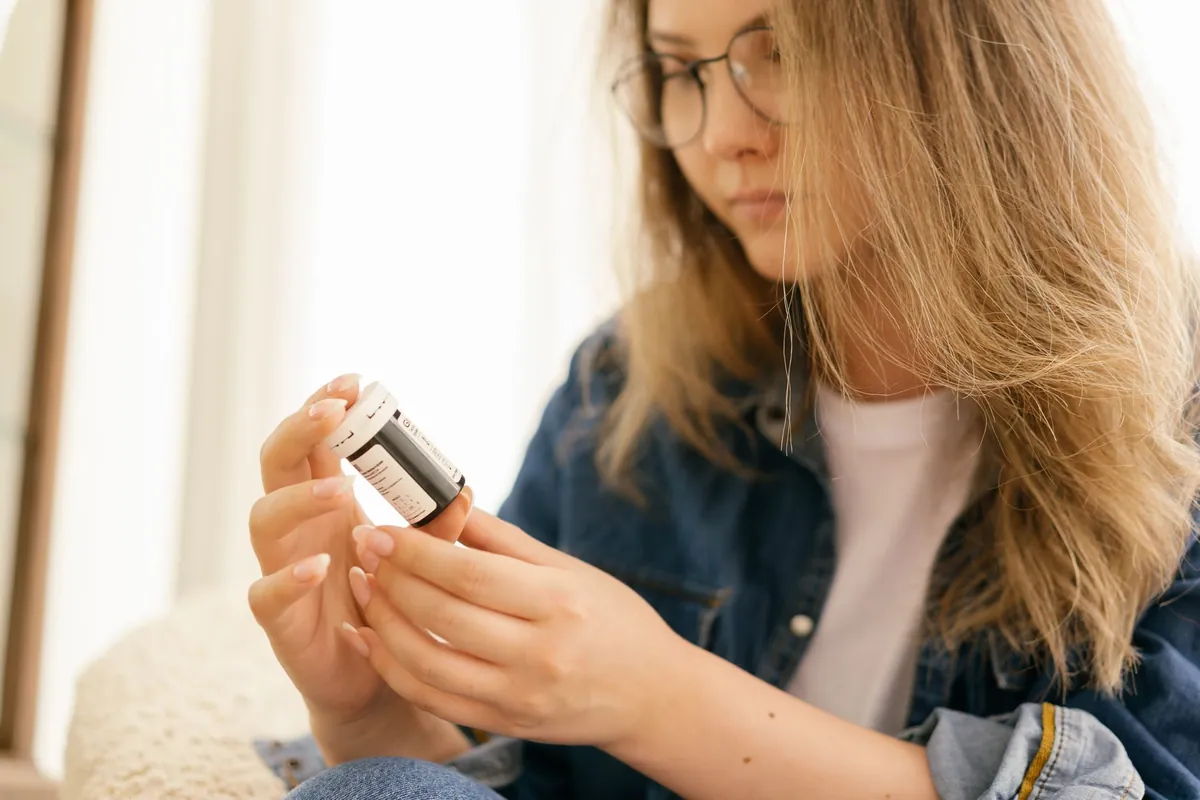
Some medicines make the skin or eyes more sensitive to light. Harvard Health advises avoiding red light therapy while taking them, and Healthline names the acne drug isotretinoin (Accutane) as one to avoid. The FDA’s list of drugs that can increase sun sensitivity includes:
- some antibiotics, such as doxycycline and tetracycline
- some antifungals and antihistamines
- some cholesterol drugs and diuretics
- retinoids such as isotretinoin
- the herbal supplement St John’s wort
That list is about sunlight, not LED masks specifically, but it is a sensible prompt. If you take any of these, ask your doctor or pharmacist before using a mask.
5. You have an eye condition
Consumer Reports recommends eye protection, particularly for people with retinal disorders or on light-sensitising medication. There is also at least one published case of retinal damage linked to a blue LED mask. If you have any eye condition, ask your eye doctor first. Our guide to LED masks and eye safety has more detail.
6. You have an active rash, broken skin or a diagnosed skin condition
Healthline advises against LED treatment if you have an active rash. Let irritated or broken skin settle first. If you have a diagnosed skin condition, ask your dermatologist whether light therapy fits your treatment.
7. You have recently had a laser, IPL or other in-office treatment
Skin that has just been treated is more reactive. Ask the clinic that treated you how long to wait before using any light device at home.
8. You have a darker skin tone or melasma
The AAD notes that people with darker skin tones can be more sensitive to visible light, which can lead to hyperpigmentation (dark patches). It suggests speaking with a dermatologist before starting. Consumer Reports adds that LED masks have not been extensively studied in people of color. If you have melasma, get a dermatologist’s advice first.
9. Bright or flickering light has ever triggered a seizure
If you have photosensitive epilepsy, or bright or flashing light has ever affected you, talk to your neurologist before using any light device.
What to ask your doctor
If something on the list applies to you, these questions make the conversation quick:
- Is light therapy at home suitable for me, given my condition or medication?
- Should I avoid any light color (red, near-infrared or blue) in particular?
- Is there anything I should stop using on my skin before or after a session?
- Which changes should make me stop and come back to see you?
Take the mask’s specifications with you, including the wavelengths and session length, so your doctor knows exactly what you would be using.
If none of these apply
Follow the instructions for your mask: use it on clean, dry skin, keep the eye protection in place, stick to the session length and do not use it more than recommended. Stop and speak to a doctor if your skin reacts or your vision changes. If your health or medication changes later, run through this list again.
Our own guidance for Lumina Pro
The Rosune Lumina Pro is a general-wellness device, not a medical one, and it is not FDA-cleared. It is not for you if you are pregnant, under 18, or have a photosensitive or diagnosed skin condition. Please check with your doctor first if you are breastfeeding, take light-sensitising medication, or have recently had a laser or IPL treatment. Clip-in eye covers and a 10-minute timer are built in.
A used mask cannot be returned for hygiene reasons, so please ask us before you open the box if you are unsure. Our returns and warranty policy has the details, and our contact page reaches a real person.
Frequently asked questions
Can you use an LED face mask while breastfeeding?
There is little research. Speak to your doctor first. We ask breastfeeding customers to check before using Lumina Pro.
Can I use an LED mask if I use retinol?
Retinol is a topical skincare ingredient, which is different from the oral medicine isotretinoin. Apply retinol and other active skincare after your session, not before. If you use a prescription retinoid, ask your dermatologist.
Are LED masks safe for teenagers?
At-home masks are generally made for adults. A teenager interested in light therapy should see a dermatologist.
What side effects should I watch for?
The AAD says the most common side effects are mild, such as temporary irritation. Stop and seek advice if you notice lasting redness, a rash, or any change in your vision.