Short answer: an LED face mask can be a great gift for someone who already enjoys a skincare routine and will happily give it ten quiet minutes a few evenings a week. It is a poor gift for someone who wants overnight results, or who has a light-sensitive skin condition. This guide covers who it suits, what to check before you buy, how to give it so the recipient can still return it, and the date to order by for Christmas.
Why LED face masks became a popular gift
LED light therapy used to mean a booked appointment. In-office sessions typically cost $25 to $250 each, according to Consumer Reports, and a course means many visits. An at-home mask moves that routine onto the sofa. The person wears it while reading or watching TV, and it switches itself off.
That is what makes it feel like a gift rather than a gadget: it is a small, regular ritual that someone does for themselves. It is also the kind of thing many people are curious about but hesitate to buy for themselves.
Who an LED face mask is a good gift for

- The skincare devotee. Someone who already cleanses, uses a serum and enjoys trying new things will fit ten minutes of light into their evening without effort.
- The self-care person. If her idea of a good night is a blanket, a book and a candle, a mask she can wear while doing exactly that is a natural fit.
- The busy professional or new parent. Salon appointments are hard to schedule. A mask that works around their evening, not the other way round, is a thoughtful present.
- The person who has asked about it. If she has mentioned red light therapy, saved a video about it or asked a friend what they think, you already know it will be welcome.
Who should not get one (or should check first)
LED devices are generally considered safe for home use. The American Academy of Dermatology notes that the most common side effects are mild, such as temporary irritation. Even so, a mask is not right for everyone. Choose a different gift, or suggest a quick word with a doctor first, if the person:
- is pregnant, or is under 18
- has a light-sensitive condition such as lupus, or a diagnosed skin condition
- takes medication that increases sensitivity to light
- has recently had a laser or IPL treatment
- has an eye condition, or is sensitive to bright light
Two more points from dermatologists are worth knowing. People with darker skin tones may be more sensitive to visible light, and the AAD suggests talking with a dermatologist before starting. And Harvard Health advises wearing eye protection whenever a device’s directions recommend it.
What to expect: an honest picture
The best gift is one that matches expectations, so it helps to know what an at-home mask is and is not.
- It is gentle and gradual. Home masks are deliberately lower powered than clinic equipment. Consumer Reports and the AAD both say in-office treatment is more powerful.
- It rewards consistency. Most masks suggest short sessions several times a week. A dermatologist quoted by Harvard Health calls it “slow and steady”, with use over months rather than days.
- The research is promising but modest. The AAD describes results in studies as subtle to noticeable and says more research is needed. Nobody can promise a particular result.
If the person you are buying for loves the routine itself, all of this is fine. If she wants a dramatic change by New Year, a mask will disappoint.
What to look for in an LED face mask gift
Masks range from under $100 to more than $500. The price tag matters less than a few practical details:
- Wavelengths. Look for red light around 630 to 660nm, ideally with near-infrared around 830 to 850nm. These are the ranges most home masks use. Blue light is a common extra mode.
- Comfort. A soft, flexible silicone mask shapes to the face and can be worn lying back. Rigid masks keep their own shape rather than following the contours of the face.
- A built-in timer. An automatic shut-off removes the guesswork about session length.
- Eye protection. Check whether the mask has eye cut-outs or covers, and read what the instructions say about eye safety.
- Cordless use. A rechargeable controller means nothing plugs into the wall during a session, so she is not tied to one spot.
- Warranty and returns. Electronics can fail. A clear warranty and a written returns policy are worth more than a long list of features.
- FDA status. Some masks are FDA-cleared for specific uses such as acne or wrinkles. Others are sold as general-wellness devices, which do not go through that clearance. If this matters to the person you are buying for, check the FDA’s 510(k) database for the exact model.
How to give it (so it can still be returned)

Because a face mask is worn against the skin, most sellers will not take one back once it has been used. That is standard for personal-care devices, and it is our policy too. So:
- Give it sealed. Do not open the box to check it. If the recipient already has one, or decides it is not for her, a sealed and unused mask can usually be returned within the seller’s window. Ours is 30 days from delivery.
- Keep the order email. The order number is what you need for a return, a warranty claim or a question about delivery.
- Add a note about the routine. Something like “ten minutes, a few evenings a week, on clean dry skin” sets the right expectation and makes the gift feel personal.
When to order for Christmas
Christmas Day 2026 falls on a Friday. Our orders leave a US warehouse within one business day and arrive in three to eight business days after that. To be safe for delivery by Christmas Eve, order by Friday, December 11. Carriers get busier every December, so earlier is better.
Where Lumina Pro fits
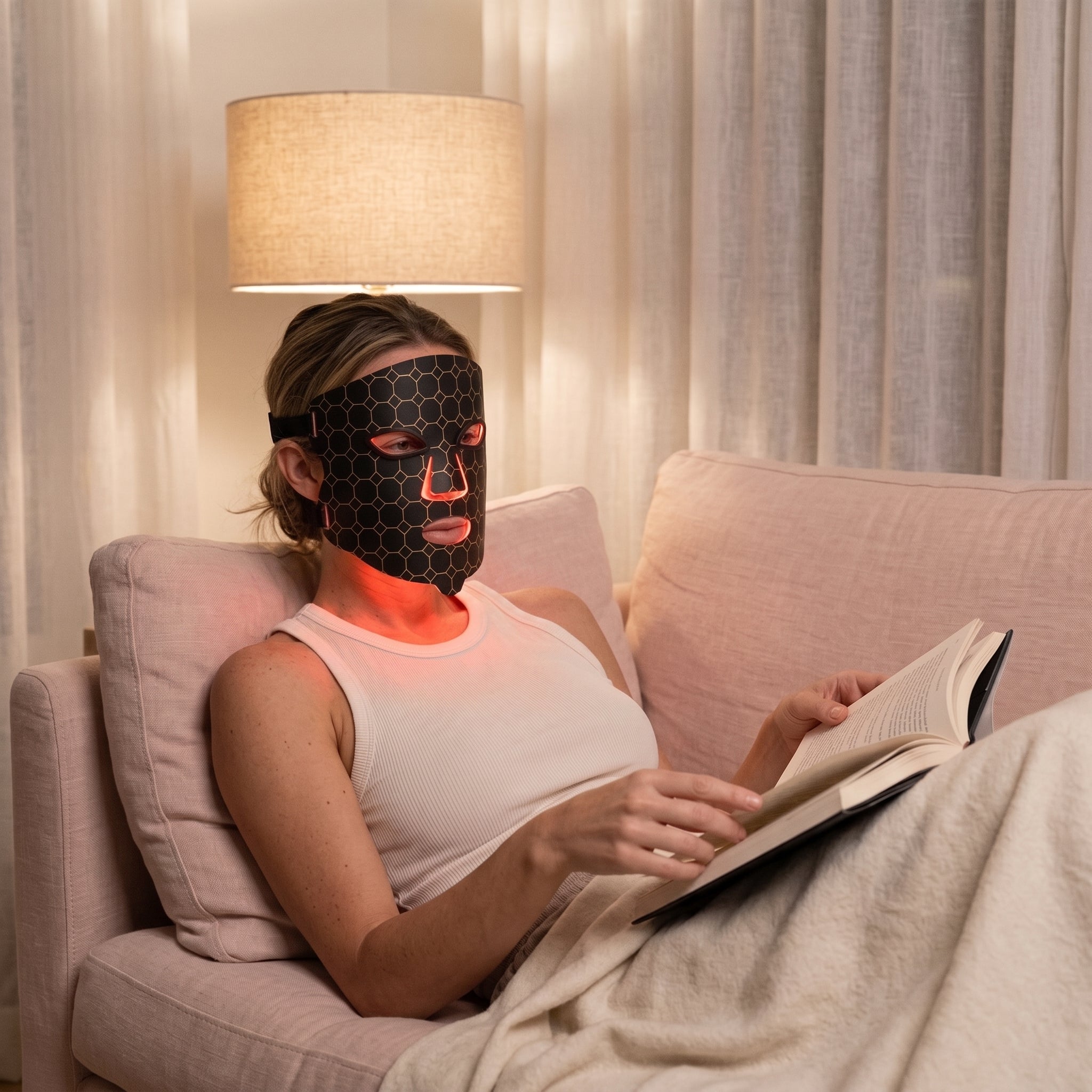
We make one product, so here is how it measures against the list above. The Rosune Lumina Pro is a soft silicone mask of about 168 g with 165 LEDs. It offers 660nm red and 850nm near-infrared light, plus blue and purple modes. A 10-minute timer switches it off, and clip-in eye covers shade the eyes. It runs from a rechargeable USB-C controller, so it is cordless in use.
It costs $149, with free US shipping from a US warehouse and a 90-day warranty against failure in normal use. It is a general-wellness device, not a medical one, and it is not FDA-cleared. Our returns and warranty policy explains exactly what is covered.
Frequently asked questions
Is an LED face mask a good gift for mom?
It can be, if she enjoys skincare and has a quiet moment in her evening. Check the list above first: if she takes light-sensitising medication or has a skin condition, ask her doctor before you buy.
Can you return an LED face mask after using it?
Usually not, for hygiene reasons. Most sellers accept sealed, unused masks within a set window, and replace faulty ones under warranty. Always read the returns policy before buying.
How long until she notices anything?
There is no fixed answer. Light therapy is gradual, and dermatology sources talk about weeks to months of regular use. It is best presented as a relaxing routine, not a quick fix.
Is it safe to use every day?
Follow the instructions for the specific mask. Ours is designed for one 10-minute session a day at most, and three to five sessions a week is plenty. See the product FAQ for more.