Short answer: most at-home red light therapy masks are designed for short sessions, often around 10 minutes, a few times a week. A common pattern is three to five sessions a week, never more than once a day. Always follow the instructions for your specific mask, because light output and session lengths vary between devices. Using it longer or more often will not speed things up, and light therapy is a habit you keep over months, not days.
Why there is no single answer
How often you should use a mask depends on how much light it delivers, and that varies. A study published in 2026 measured four commercial LED masks and found pronounced variability in irradiance. Masks with similar recommended session lengths delivered “markedly different physical doses.” That is why the instructions for your own mask matter more than any general rule, including the one in this article.
Session guidance also varies widely by brand. Consumer Reports notes that some masks call for 30 to 60 minutes twice a day, while many modern masks use sessions of around 10 minutes.
A typical routine
- Session length: whatever your mask’s timer is set to. For many masks that is about 10 minutes.
- How often: three to five times a week is a common recommendation for at-home masks.
- Maximum: once a day. Avoid back-to-back sessions.
- When: whenever you will do it consistently. Our guide to the best time to use an LED mask covers morning versus night.
For comparison, in-office LED treatments are usually spaced about a week apart, up to about 10 sessions, with maintenance every few months, according to Healthline. Clinic equipment is more powerful, so home masks make up for it with shorter, more frequent sessions.
Why more is not better
It is tempting to think that doubling the time doubles the benefit. Light therapy does not work that way. Researchers describe a biphasic dose response: a 2020 review in the Journal of Clinical Medicine explains it with the Arndt–Schultz curve. A weak stimulus increases activity, but too strong a stimulus can inhibit it. An earlier review of light therapy in skin also stresses that there is an optimal dose.
Overdoing it will not get you there faster, and it can leave skin feeling dry or irritated. Let the timer end the session and leave a day’s gap before the next one.
How long to keep going
Light therapy is gradual. Harvard Health says devices must be used multiple times a week for four to six months, and a dermatologist it quotes calls it “slow and steady”. The American Academy of Dermatology describes the evidence as promising, with more research needed.
In practice, that means building a routine you can keep for months. Some people drop to fewer sessions a week once the habit is established. Nobody can promise a particular result or timeline, and anyone who does is overselling.
An example week
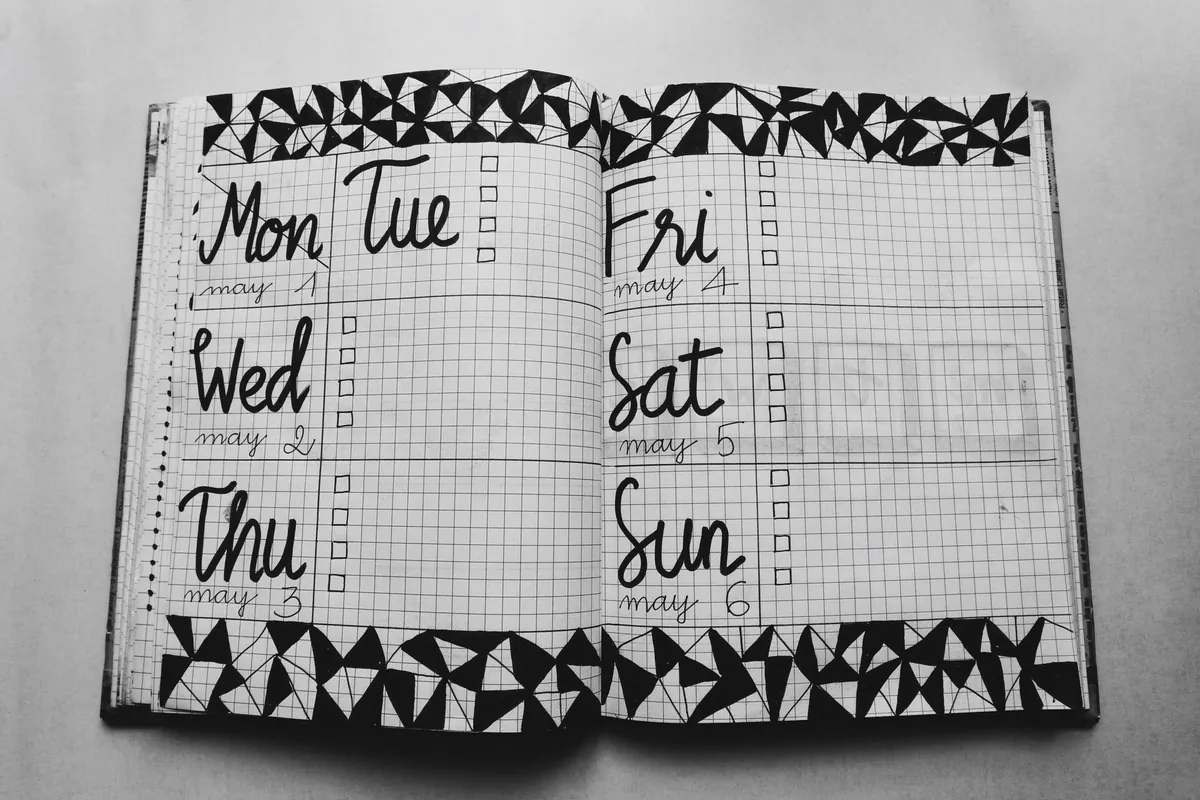
Here is one simple way to fit four sessions into a week, with rest days in between. Adjust it to your own schedule and your mask’s instructions.
| Day | Session |
|---|---|
| Monday | 10 minutes, evening |
| Tuesday | Rest |
| Wednesday | 10 minutes, evening |
| Thursday | Rest |
| Friday | 10 minutes, evening |
| Saturday | Rest |
| Sunday | 10 minutes, morning or evening |
Busy week? Three sessions is still within the usual range. A week where you manage five is fine too, as long as it is never more than one a day.
How to make it a habit
- Pick fixed days. For example Monday, Wednesday, Friday and Sunday. It is easier to keep a plan than a vague intention.
- Attach it to something you already do. After brushing your teeth, with your evening show, or with a morning coffee.
- Keep the mask charged and visible. A mask in a drawer does not get used.
- Do not make up for missed days. If you miss a session, just carry on with your plan. Two sessions in one day is not the answer.
Around each session
Use the mask on clean, dry skin. The Avci review notes that makeup and oily residue can interfere with light reaching the skin. Apply serums and moisturizer afterwards, not before. Keep the eye protection in place and your eyes closed. Our guide to LED masks and skincare order goes into more detail.
Who should check first
Speak to a doctor before starting if you are pregnant or breastfeeding, have a light-sensitive or diagnosed skin condition, have an eye condition, or take medication that increases light sensitivity. Our safety checklist has the full list.
How often to use Lumina Pro
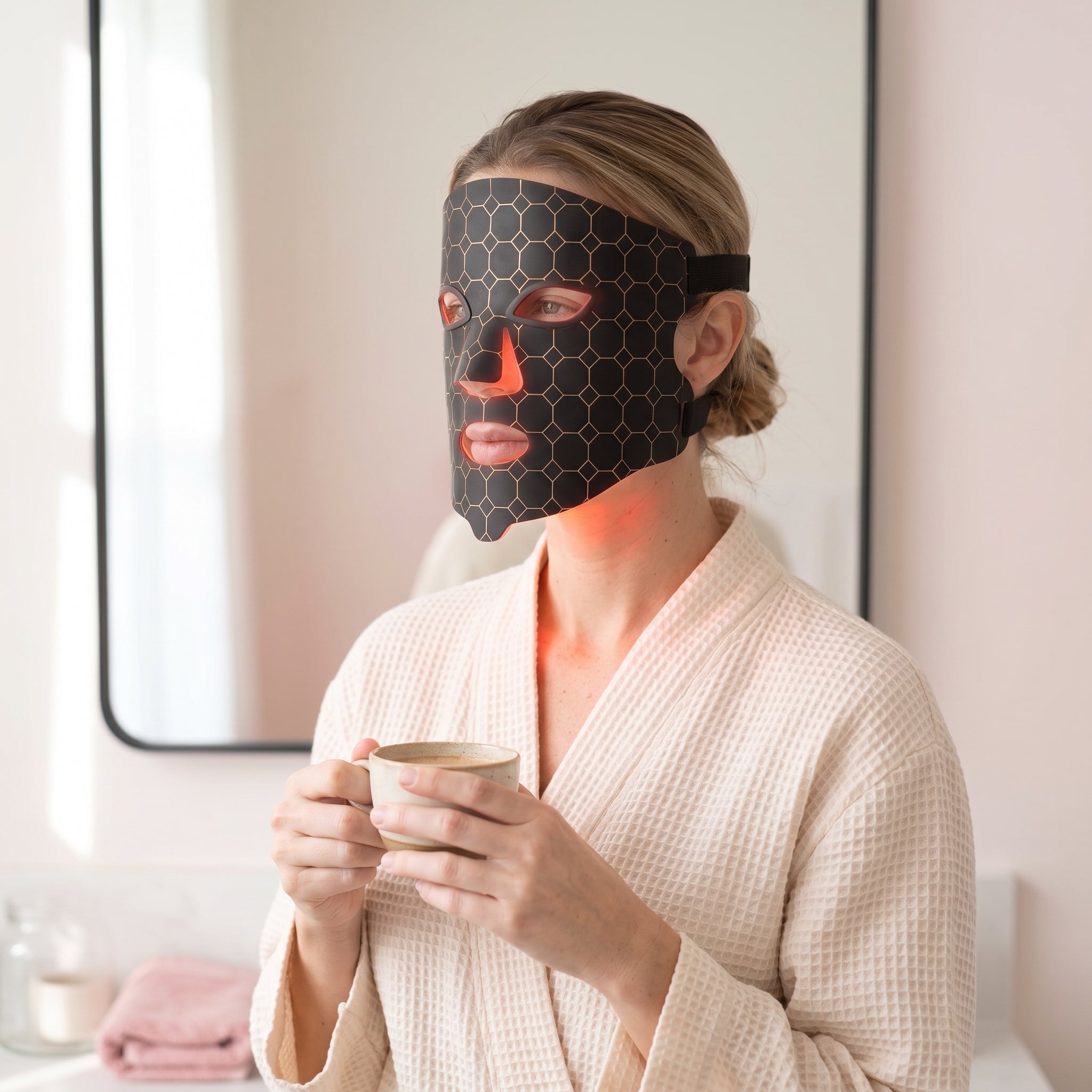
The Rosune Lumina Pro is designed for one 10-minute session a day at most, and three to five sessions a week is plenty. The timer runs each session and switches off by itself. Never use it for more than 20 minutes in a day. It is a general-wellness device, not a medical one, and it is not FDA-cleared. It costs $149 with free US shipping and a 90-day warranty.
Frequently asked questions
Can I use a red light mask every day?
Some masks allow daily use, but more is not better. Follow your mask’s instructions. For Lumina Pro, three to five sessions a week is plenty, and never more than one a day.
How long should each session be?
As long as your mask’s timer is set to. Session lengths differ because light output differs, so do not copy the timing from a different device.
What happens if I use it too much?
Overuse will not speed things up, and it can leave skin dry or irritated. If your skin feels irritated, take a break and speak to a dermatologist if it does not settle.
Should I take breaks from my mask?
There is no need for planned breaks while your skin is happy with it. Some brands suggest dropping to fewer sessions a week after the first few months. Stop and seek advice if your skin reacts, and review the safety checklist if your health or medication changes.
How long until I notice anything?
There is no guaranteed timeline. Harvard Health describes use over four to six months. Think of it as a long-term routine rather than a quick fix.