Short answer: a cordless LED face mask runs on a rechargeable battery, so nothing plugs into the wall while you wear it. That sounds like a small detail, but it decides where and how easily you can use the mask: on the sofa, in bed, at your desk or while traveling. And an easy routine is one you keep. One thing to know: “cordless” does not always mean “no cable”. Many cordless masks connect to a small battery controller by a short cable. Here is how to tell the designs apart and what to check.
Three designs, three meanings
| Design | How it is powered | What it means for you |
|---|---|---|
| Corded | Plugs into a wall outlet during use | Unlimited power, but you are tied to a socket and a cable length |
| Cordless in use | Rechargeable battery in a controller, connected to the mask by a short cable | Move freely; the controller sits in your hand, on your lap or beside you |
| Fully wireless | Battery built into the mask itself | No cable at all, but the battery adds weight to the mask |
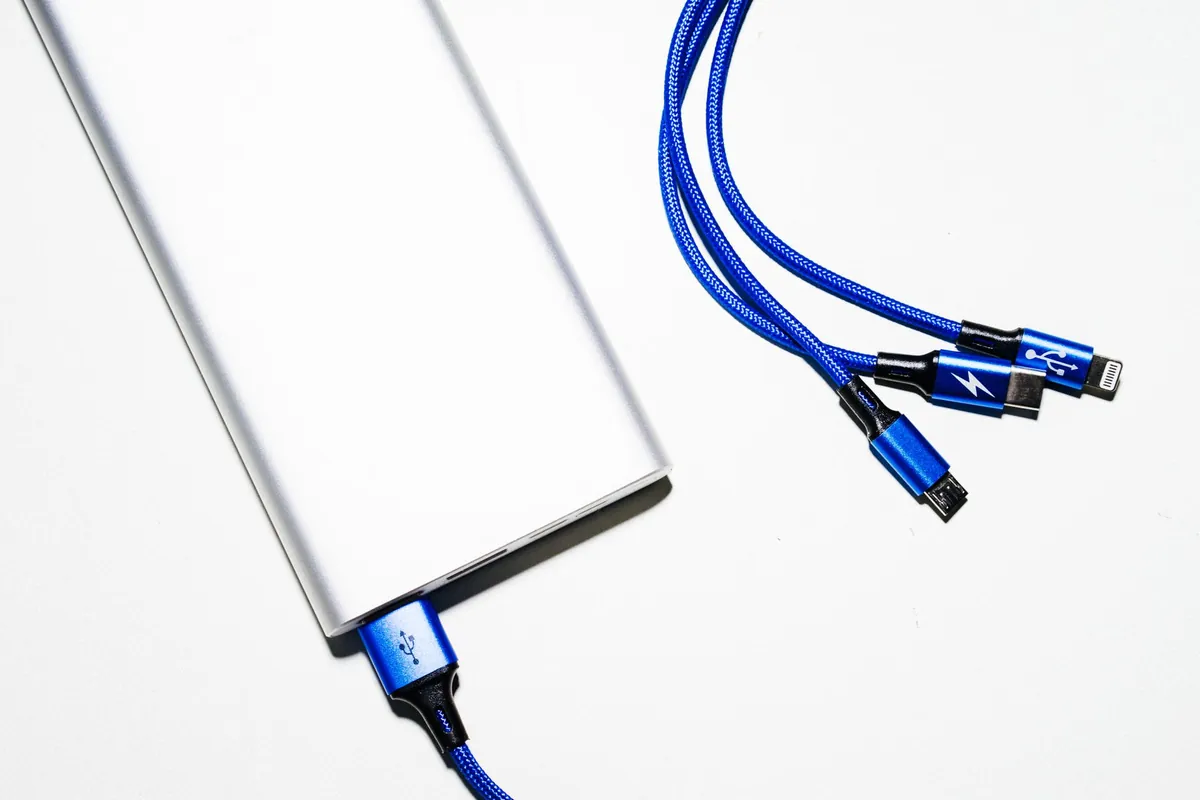
Product listings do not always use these words carefully. “Wireless” is sometimes used for masks that actually have a controller cable. Look at the product photos: if you can see a cable running to a separate controller, the mask is cordless in use, not wireless.
Why cordless matters more than it looks
Light therapy is gradual. Harvard Health describes regular use, multiple times a week, over months. So the most important feature of any mask is one that spec sheets never list: whether you will keep using it.
Reviewers who test many masks make the same point. INIA concludes that what matters most includes “whether you will actually wear the mask regularly,” and that comfort drives whether people keep up the routine. Removing the wall socket helps with that:
- Use it where you relax. Sofa, bed, armchair: no hunting for an outlet or an extension lead.
- Multitask. Read, watch something or answer emails while the timer runs.
- Take it with you. Weekends away and work trips do not have to break the routine.
The trade-offs
- Charging. A cordless mask needs recharging. A flat battery is one more excuse to skip a session, so build charging into your routine.
- Battery life. Check how many sessions a full charge gives you. Rechargeable batteries also tend to hold a little less charge as they age.
- Weight. In fully wireless masks, the battery sits on your face. Controller designs keep the mask itself lighter.
- The cable. Cordless-in-use designs still have a short cable between mask and controller. It is not in the way, but it is there.
What to check before you buy
- Which design is it really? Corded, cordless in use or fully wireless.
- Sessions per charge and charging time.
- Charging port. USB-C is convenient because you may already have the cable and charger.
- Can it be used while charging? Follow the instructions; do not assume.
- Controller. Is there a display for mode, time and brightness? Is it easy to use with your eyes closed?
- The basics still matter. Stated wavelengths, a timer, eye protection and a warranty. Cordless is a convenience, not a replacement for good light. A 2026 study found pronounced variability in light output between masks.
Flying with a cordless LED mask
Rechargeable masks usually use a lithium-ion battery (check yours). For US flights, the FAA and TSA say:
- Devices with lithium batteries should be kept in carry-on baggage where possible.
- If a device goes in checked baggage, it must be completely switched off and protected from being turned on by accident.
- Spare batteries and power banks must go in carry-on bags, never in checked baggage.
- Batteries up to 100 watt-hours are allowed; small beauty devices are typically well below that.
Airline rules can be stricter than the federal ones, so check with your airline before you fly.
How Lumina Pro is powered

The Rosune Lumina Pro is cordless in use. A short cable connects the mask to a slim rechargeable controller that you hold or set beside you, and nothing plugs into the wall while you wear it. It charges by USB-C (cable included), and the controller shows the session and brightness level. The soft silicone mask weighs about 168 g, because the battery lives in the controller rather than on your face. A 10-minute timer ends each session, and clip-in eye covers shade your eyes.
We describe it as cordless in use, never wireless, because it does have that short cable. It is a general-wellness device, not FDA-cleared, and costs $149 with free US shipping and a 90-day warranty.
Frequently asked questions
What is the difference between cordless and wireless LED masks?
Cordless usually means battery powered, with no wall plug. It may still have a short cable to a controller. Fully wireless means the battery is built into the mask, with no cable at all.
Can I use a cordless LED mask while it charges?
It depends on the model. Check the instructions.
Can I take an LED mask on a plane?
Generally yes, in your carry-on. Devices with lithium batteries should stay in carry-on bags where possible, and spare batteries must. If it goes in checked baggage, switch it fully off. Check your airline’s rules too.
Does cordless mean less powerful?
Not necessarily. Light output depends on the LEDs and the design, not on whether the power comes from a battery or the wall. Ask the seller for the light output (irradiance) if it is not published.