Short answer: for most people, a well-designed LED face mask used as directed, with the eyes covered, is considered low risk. Red and near-infrared light are the least concerning; blue light deserves more care: there is at least one published case of retinal damage linked to a blue LED mask. People with certain eye conditions, or who take medication that makes them more sensitive to light, should talk to a doctor first. The simplest rule: keep your eyes covered and follow the instructions.
Why eye safety comes up with LED masks
An LED mask places bright lights very close to your face. Most masks have cut-outs or covers so the light is not aimed straight into the eyes, but some light can still spill around the edges. Consumer Reports notes that prolonged exposure to blue or red light may cause blurry vision, eye pain, eye irritation or changes in vision for some people.
That does not mean masks are dangerous. It means eye protection is part of using one properly, just like reading the instructions.
Red and near-infrared light
Red (around 630 to 660nm) and near-infrared (around 830 to 850nm) are the main wavelengths in most at-home masks. Dermatology sources treat at-home red light devices as safe for home use when they are used as directed. Even so, bright red light is uncomfortable to look into, and near-infrared is invisible, so you cannot judge its brightness by eye. The American Academy of Dermatology advises wearing eye protection whenever the directions tell you to, and using the protection recommended rather than a substitute such as sunglasses.
Blue light needs more care
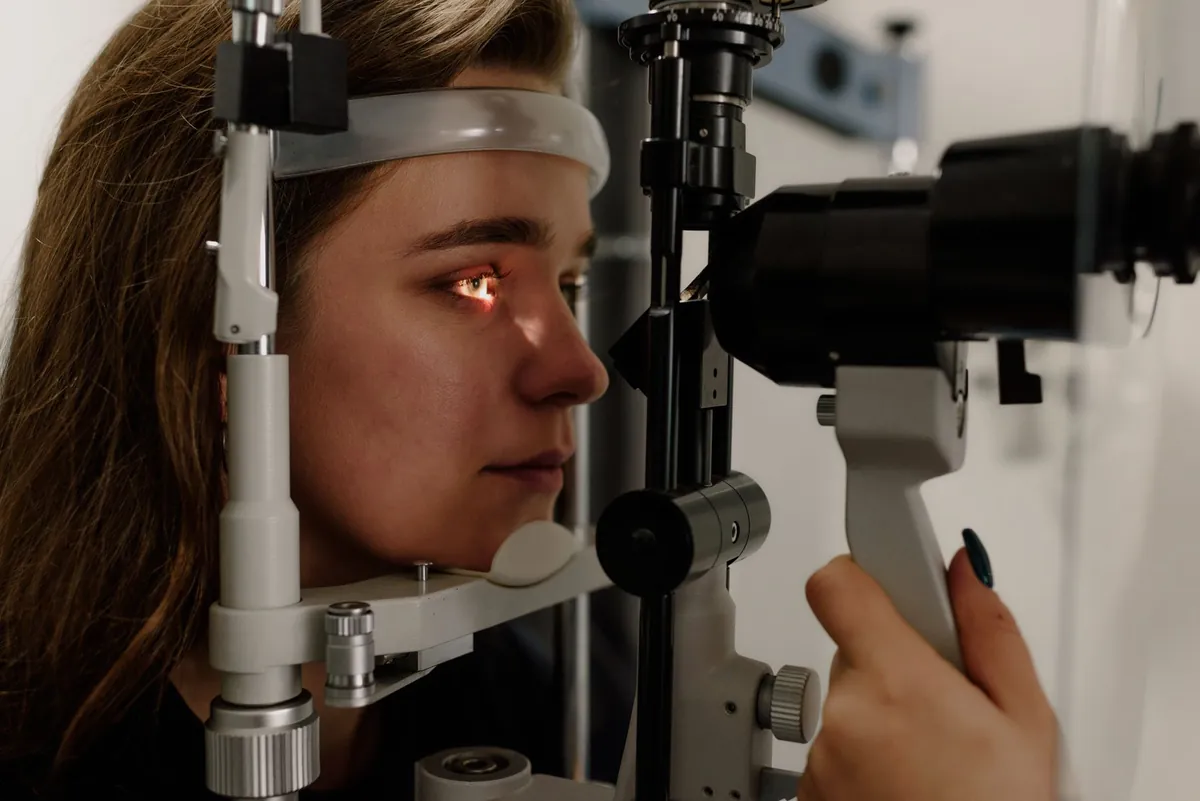
Blue light has a shorter wavelength and carries more energy, and it is the color most associated with eye concerns. Two real-world events show why:
- A 2020 case report. Doctors in South Korea described a 37-year-old woman who developed distorted vision after using a blue LED face mask. She was diagnosed with blue-light-induced photochemical retinopathy, damage to the light-sensitive layer at the back of the eye. Her vision improved after treatment. The authors called it a rare case and concluded that it is important to “ensure the eyes are covered during LED face mask use.”
- A 2019 recall. Neutrogena voluntarily recalled its Light Therapy Acne Mask, which used blue and red light, “out of an abundance of caution”, as Health Canada recorded. The company said that people with certain underlying eye conditions, or taking medication that could make the eyes more sensitive to light, faced a theoretical risk of eye injury. It added that reported effects on vision were “rare, generally mild and transient.”
Neither case means blue light masks are unsafe for everyone. Both are strong reasons to keep the eyes covered, especially in blue mode.
Who should check with a doctor first
- Anyone with an eye condition, particularly a retinal disorder. Consumer Reports specifically mentions retinal disorders.
- Anyone taking medication that increases light sensitivity. Reports on the Neutrogena recall named the antibiotic doxycycline as an example. The FDA’s list of drugs that can increase sun sensitivity includes some antibiotics, antifungals, antihistamines, cholesterol drugs, diuretics, retinoids such as isotretinoin, and St John’s wort. That list is about sunlight, but it is a useful prompt to ask your pharmacist.
- Anyone who is sensitive to bright or flickering light.
How to protect your eyes
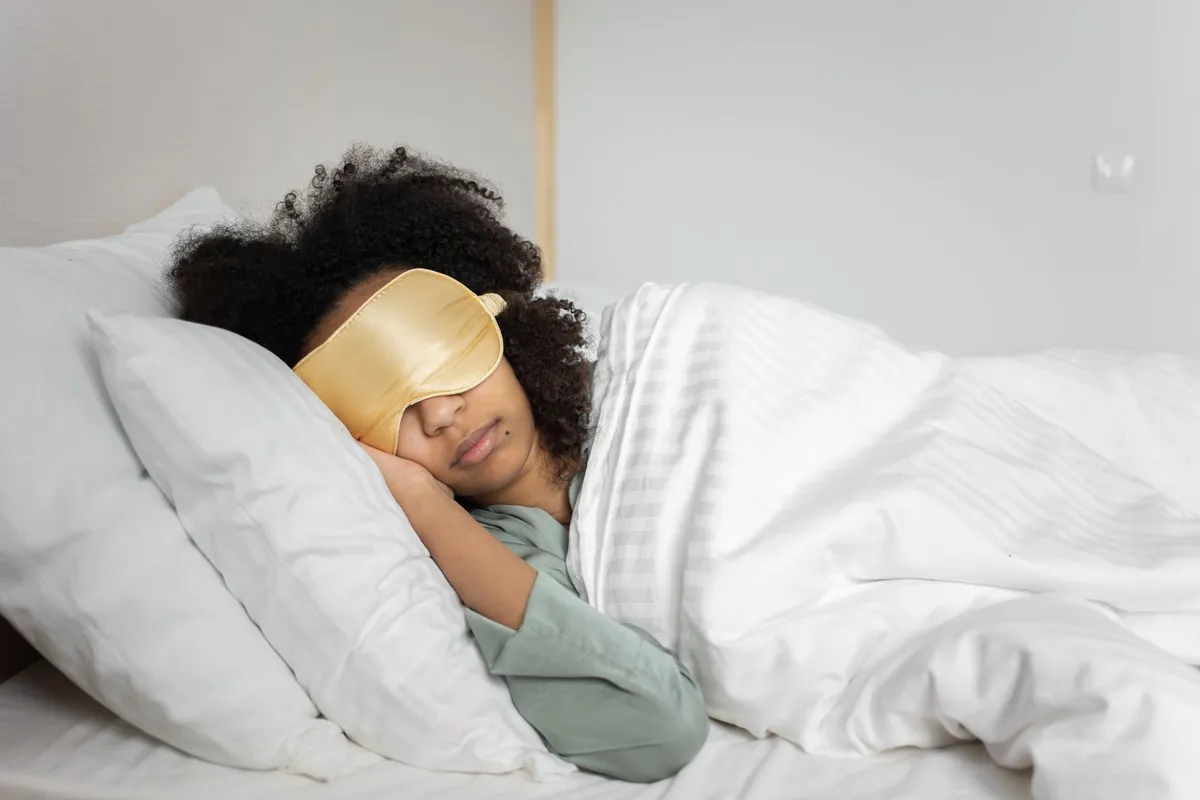
- Use the eye protection that comes with the mask, every session: goggles, covers or shields. Do not swap in sunglasses unless the instructions say so.
- Keep your eyes closed during the session, and never look directly into the LEDs.
- Take extra care in blue mode. Make sure covers are fitted before you switch it on.
- Stick to the session length. Let the timer end the session, and do not stack sessions back to back.
- Check the fit. A mask that sits unevenly can let more light reach the eye area. Adjust the straps before you start.
When to stop and see a doctor
Stop using the mask and speak to a doctor or eye specialist if you notice blurred or distorted vision, eye pain or irritation, spots or flashes, or any change in your vision that does not settle quickly. These are among the effects listed in coverage of the Neutrogena recall and by Consumer Reports. Most reported effects have been mild and temporary, but changes in vision should always be checked.
How Lumina Pro handles eye safety
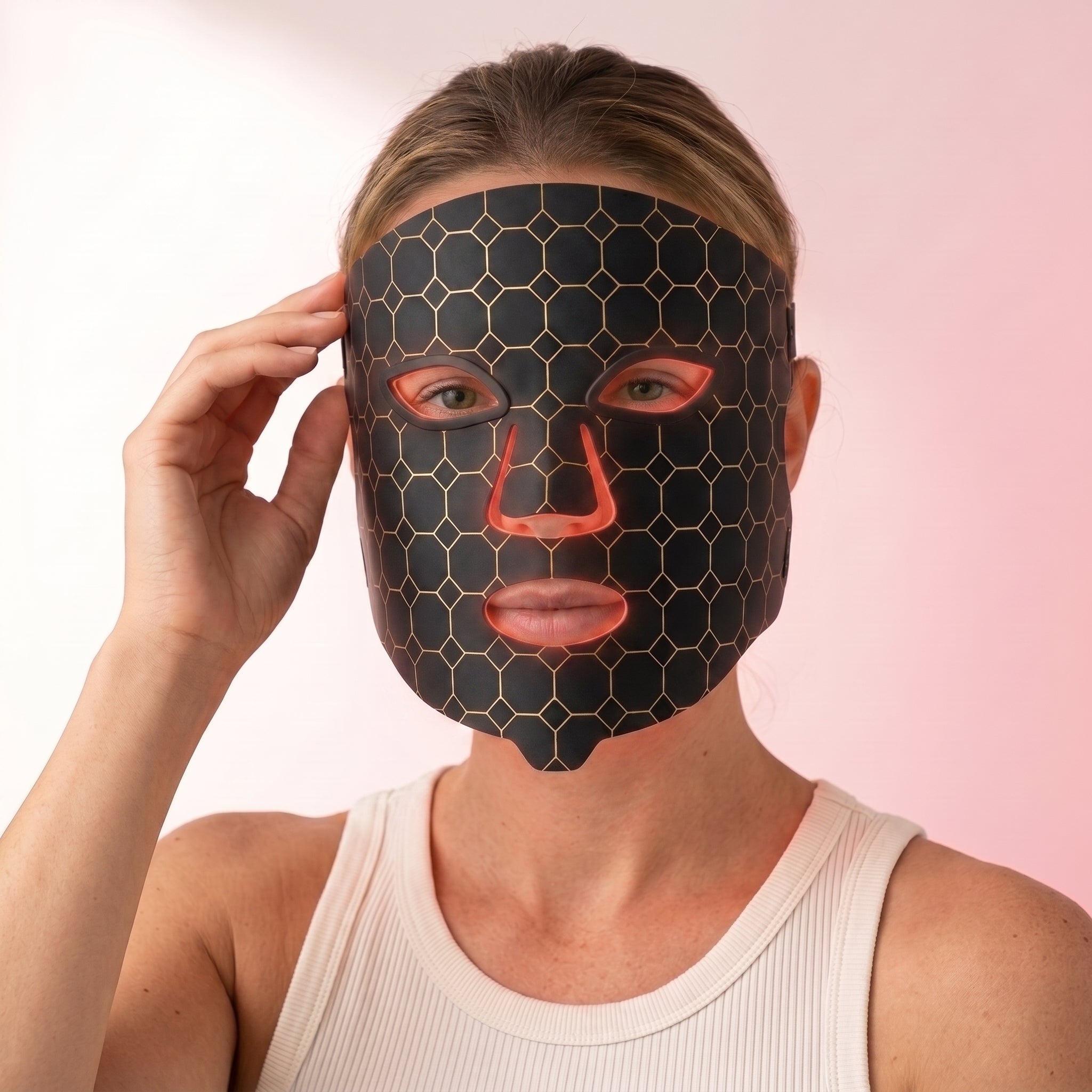
The Rosune Lumina Pro comes with two clip-in eye covers that shade your eyes from the LEDs, while your nose and mouth stay free. Clip them in once and they stay put. A 10-minute timer ends each session, and we recommend no more than one session a day.
Lumina Pro has a blue mode, so please keep the covers in whenever you use it, and keep your eyes closed in every mode. If you have an eye condition or take light-sensitising medication, ask your doctor before your first session. Lumina Pro is a general-wellness device, not a medical one, and it is not FDA-cleared. More guidance is in our product FAQ.
Frequently asked questions
Can you open your eyes while wearing an LED mask?
It is best not to. Keep your eyes closed and the eye protection in place for the whole session.
Is red light bad for your eyes?
Red light is the least concerning of the common LED colors, and dermatology sources treat red light devices as safe for home use when used as directed. Bright light close to the face still should not be stared into, so use the eye protection provided.
Is blue light from an LED mask dangerous?
Blue light carries more energy, and there is at least one published case of retinal damage from a blue LED mask. Cover your eyes, follow the timer, and ask a doctor first if you have an eye condition.
Can I wear an LED mask if I take doxycycline or isotretinoin?
Ask your doctor or pharmacist first. These medicines can increase sensitivity to light.