Short answer: 660nm is visible deep red light. 850nm is near-infrared, just beyond what the eye can see, and it travels further into tissue than red. Most at-home face masks use red light, and many add near-infrared. Research suggests red light on its own is the core of skin-focused light therapy. Evidence that adding near-infrared does better than red alone is limited, so treat a combination as an option rather than a requirement.
What the numbers mean
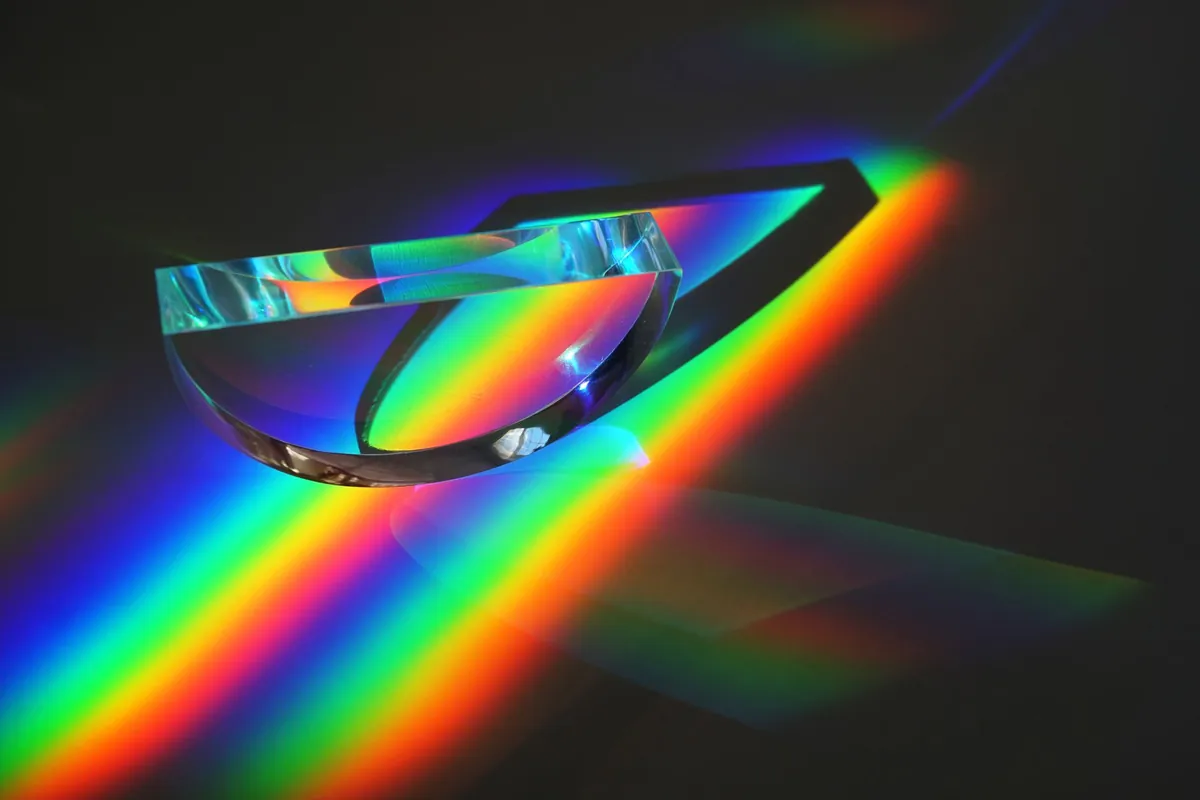
“nm” stands for nanometers, the unit used to measure the wavelength of light. The human eye sees roughly 380 to 700nm, from violet at the short end to red at the long end.
- 660nm sits near the top of the visible range. It looks like a deep, rich red.
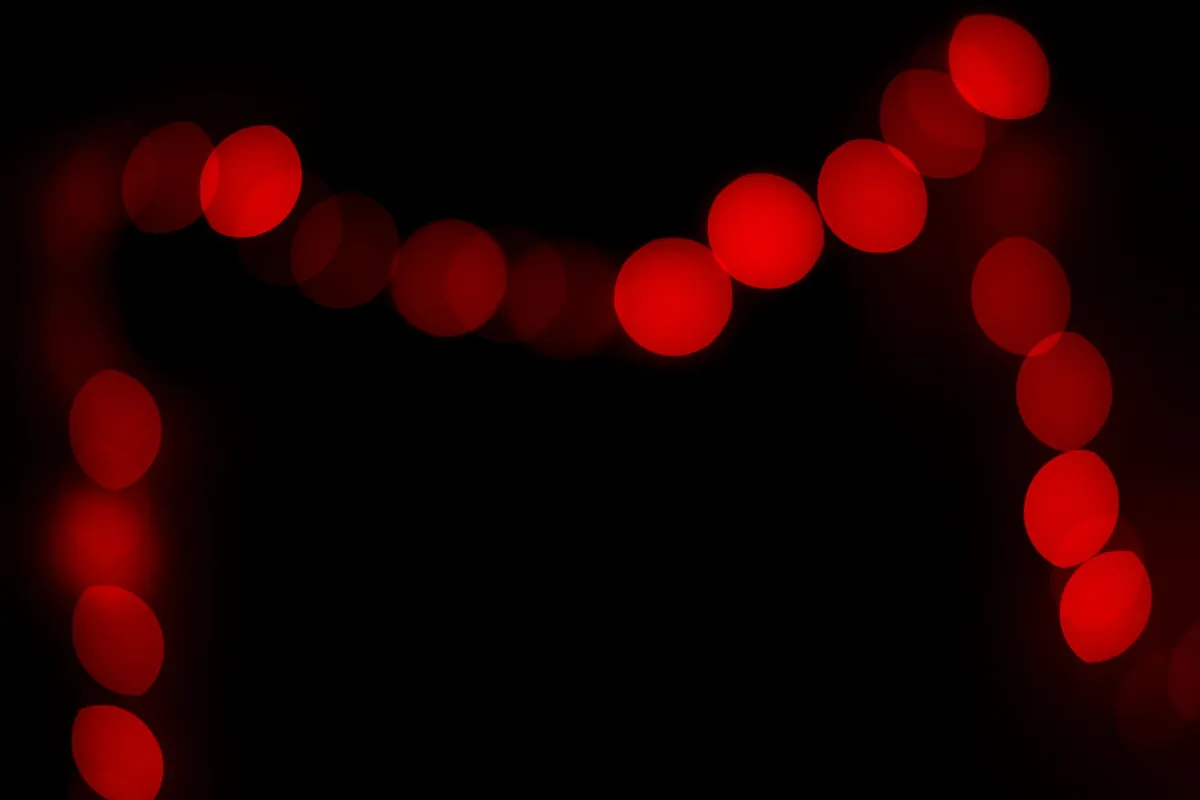
- 850nm is beyond the visible range, in the near-infrared. You cannot see the light itself. An 850nm LED usually shows only a faint dull-red glow.
That is why a mask running near-infrared on its own can look almost switched off, even when it is working.
How deep does each wavelength go?
Different wavelengths are absorbed at different depths. A widely cited review of light therapy in skin by Avci and colleagues (2013) explains the pattern:
- Shorter wavelengths, from 390 to 600nm (violet, blue, green, yellow), are used for superficial tissue.
- Longer wavelengths, from 600 to 1,100nm, “penetrate further” and are used for deeper tissue.
- Wavelengths from 700 to 750nm have limited biochemical activity, which is one reason masks skip from red straight to around 830 to 850nm.
A 2020 review in the Journal of Clinical Medicine describes 600 to 1,100nm as an “optical window” where light reaches deeper. Within that window, 850nm is longer than 660nm and travels further. So the simple version is: 660nm red is absorbed closer to the surface, and 850nm near-infrared reaches deeper.
You will see exact depths quoted online, sometimes in centimeters. Real penetration depends on the light’s strength, skin type and many other factors, so treat precise numbers with caution.
660nm red light
Red light is the most common wavelength in at-home masks and features in much of the published research on light and skin. The American Academy of Dermatology describes red light therapy as promising, with results that are usually gradual and more research needed. Because it is visible, you can see a red-light mask working, which many people find reassuring.
850nm near-infrared light
Near-infrared is invisible and reaches further than red. That is why it is often paired with red in masks and panels: the idea is to cover more than one depth in the same session. On its own, near-infrared is used more for deeper-tissue applications than for the skin’s surface.
Do you need both?

Here is the honest answer. Combining red and near-infrared is common, and it makes sense on paper because the two wavelengths reach different depths. But the evidence that a combination beats red alone is limited.
In a 2014 controlled trial of 136 volunteers, researchers compared red-only light (611 to 650nm) with a broader spectrum running from 570 to 850nm. They found that the broader spectrum “showed no advantage over the red-light-only spectrum.” That is one study with its own setup, not the final word, but it is a good reason to be wary of anyone claiming that near-infrared is essential.
A sensible approach: choose a mask with good red light first. Treat near-infrared as a welcome extra, not the deciding factor.
More light is not always better
Light therapy follows what researchers call a biphasic dose response. The 2020 review describes it with the Arndt–Schultz curve: a weak stimulus increases activity, while too strong a stimulus can inhibit it. The Avci review also stresses that there is an optimal dose.
In practice, that means sticking to the session length your mask recommends. A longer session or more sessions per day will not speed things up. A built-in timer takes care of this for you.
What to check on a mask’s spec sheet
- Exact wavelengths, in nanometers. “Red light” or “infrared” without numbers is not enough.
- How the wavelengths are used. Can you run red on its own, or only combined? Separate modes give you choice.
- Light output (irradiance). Wavelength tells you the color; irradiance tells you the strength. A 2026 study of four commercial masks found pronounced variability in irradiance, so ask the seller if it is not published.
- A timer and eye protection. Follow the instructions on eye covers, especially for bright visible light.
- Clean skin. The Avci review notes that makeup and oily residue can interfere with light reaching the skin, so use a mask on clean, dry skin.
How Lumina Pro uses 660nm and 850nm
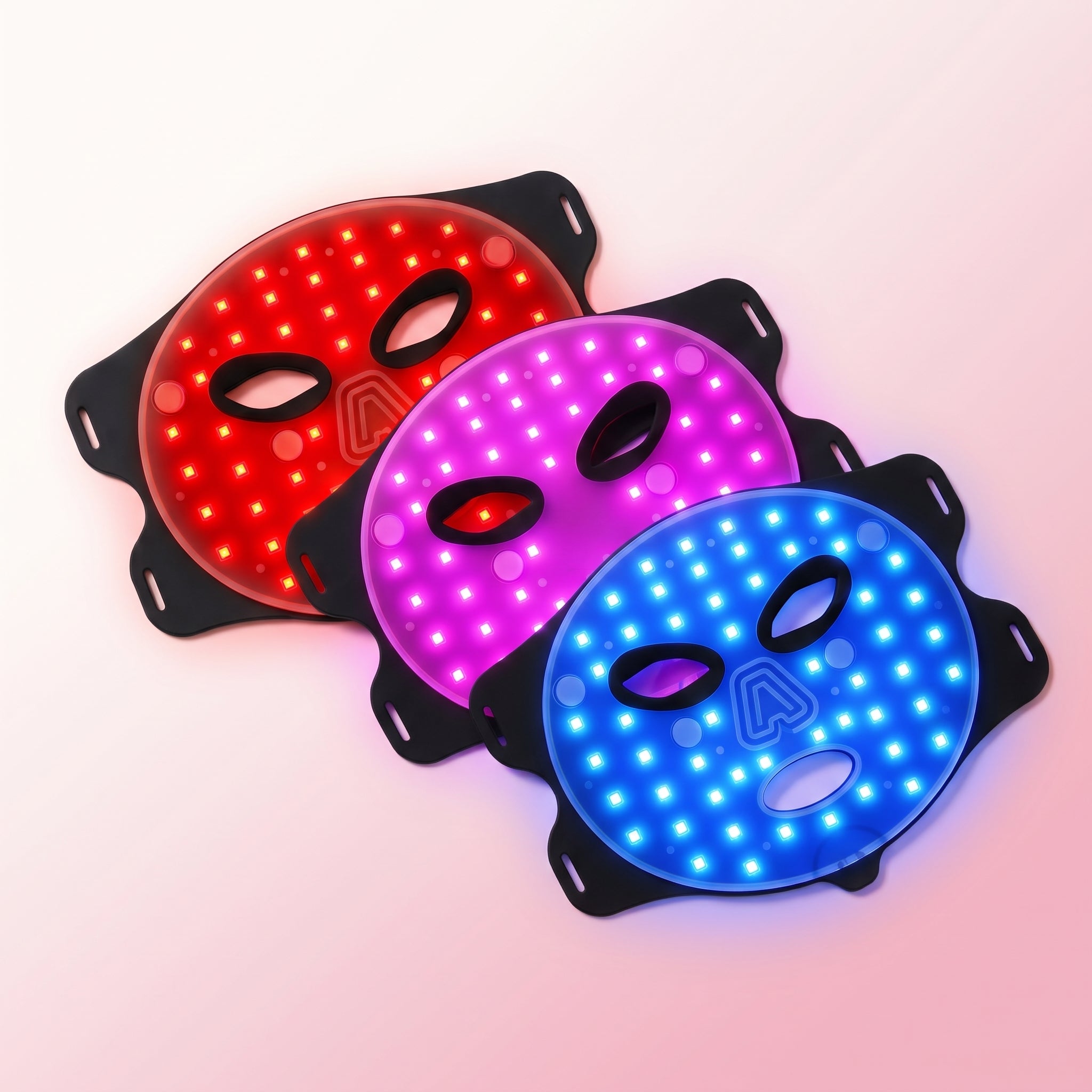
The Rosune Lumina Pro gives you the choice. You can run 660nm red on its own, or red with 850nm near-infrared alongside it. There are also blue and purple modes, and you switch between all four with the M button. A 10-minute timer ends each session, and clip-in eye covers shade the eyes.
In line with the research above, we do not claim that the combined mode is better than red alone. It is there if you want it. Lumina Pro costs $149 with free US shipping and a 90-day warranty. It is a general-wellness device and is not FDA-cleared.
Frequently asked questions
Is 660nm or 850nm better for the face?
Red light around 630 to 660nm is the more established choice for skin-focused masks. Near-infrared reaches deeper and is often added alongside. Evidence that the combination outperforms red alone is limited.
Can you see 850nm light?
Not really. 850nm is beyond the visible range. Most people see only a faint, dull-red glow from near-infrared LEDs.
Is near-infrared light safe for your eyes?
Follow your mask’s instructions and use the eye protection it provides. Harvard Health advises wearing eye protection whenever a device’s directions recommend it. If you have an eye condition, ask your doctor first.
Why do masks skip 700 to 750nm?
The Avci review notes that 700 to 750nm has limited biochemical activity, so most devices use red around 630 to 660nm and near-infrared around 810 to 850nm.